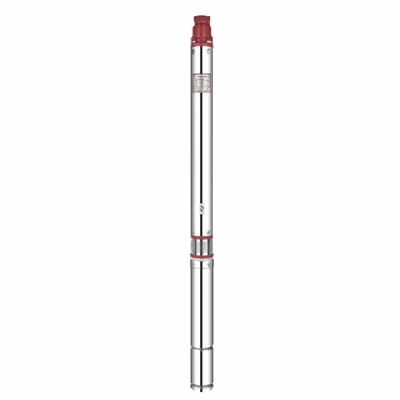
As a supplier of centrifugal pumps, I often get asked about the differences between single-stage and multi-stage centrifugal pumps. Both types have their unique characteristics, advantages, and application scenarios. Understanding these differences is crucial for customers to make the right choice for their specific needs. In this blog post, I’ll delve into the details of single-stage and multi-stage centrifugal pumps to help you gain a comprehensive understanding. Centrifugal Pump
Working Principle
Let’s start with the basic working principle of centrifugal pumps. Centrifugal pumps operate based on the principle of centrifugal force. When the impeller rotates within the pump casing, it imparts kinetic energy to the fluid, causing it to flow outward from the center of the impeller. As the fluid exits the impeller, its velocity is converted into pressure energy, which is then used to move the fluid through the system.
Single – Stage Centrifugal Pumps
A single-stage centrifugal pump consists of a single impeller mounted on a shaft within the pump casing. The fluid enters the impeller at the center (also known as the eye) and is then accelerated radially outward by the rotating impeller. The high – velocity fluid then moves into the volute chamber, where the velocity is gradually reduced, and the kinetic energy is converted into pressure energy. This single – step process of energy conversion is relatively straightforward, which is why single – stage pumps are commonly used in many applications.
Multi – Stage Centrifugal Pumps
In contrast, multi – stage centrifugal pumps have multiple impellers arranged in series on the same shaft or multiple shafts. The fluid is first introduced into the eye of the first impeller, where it gains kinetic energy. After leaving the first impeller, the fluid then enters the second impeller, and the process is repeated. Each impeller adds additional pressure to the fluid, resulting in a higher overall discharge pressure compared to a single – stage pump. The number of stages in a multi – stage pump can vary depending on the required pressure and application.
Pressure and Head Capacity
One of the most significant differences between single – stage and multi – stage centrifugal pumps lies in their pressure and head capacity.
Single – Stage Centrifugal Pumps
Single – stage pumps are typically designed for applications that require relatively low to moderate pressure. They are suitable for tasks such as water supply in residential buildings, irrigation systems, and some light industrial processes. The maximum head (the height to which the pump can lift the fluid) of a single – stage pump is usually limited. For most single – stage pumps, the head range is typically up to 100 – 200 meters, although some high – performance models may reach slightly higher values.
Multi – Stage Centrifugal Pumps
Multi – stage pumps, on the other hand, are capable of generating much higher pressures. By adding multiple impellers in series, the pressure can be increased significantly. They are often used in applications that demand high – pressure water transfer, such as boiler feed systems, high – rise building water supply, oil and gas pipeline transportation, and reverse osmosis desalination plants. Multi – stage pumps can achieve heads of several hundred meters or even more, depending on the number of stages and the design of the pump.
Efficiency
Efficiency is an important factor to consider when choosing a centrifugal pump, as it directly affects the operating cost.
Single – Stage Centrifugal Pumps
Single – stage pumps are generally more efficient for low – to – moderate pressure applications. Since they have a simpler design with fewer components, there is less mechanical losses due to friction and leakage. The straightforward flow path of the fluid through the single impeller also contributes to higher efficiency in this pressure range. However, when the required pressure is very high, the efficiency of a single – stage pump may decline rapidly as it needs to operate at a higher rotational speed or with a larger impeller diameter, which can lead to increased energy consumption.
Multi – Stage Centrifugal Pumps
Multi – stage pumps can be more efficient in high – pressure applications. Each impeller operates at a relatively lower pressure rise compared to a single – stage pump achieving the same total pressure. This allows the impellers to be designed more optimally, resulting in better efficiency at high pressures. However, in low – pressure applications, multi – stage pumps may be less efficient than single – stage pumps because of the additional mechanical losses associated with the multiple impellers and the more complex internal structure.
Physical Size and Installation
The physical size and installation requirements of single – stage and multi – stage centrifugal pumps also differ.
Single – Stage Centrifugal Pumps
Single – stage pumps typically have a more compact design. They are easier to install and require less space compared to multi – stage pumps. Their simple structure also makes them more convenient for maintenance and repair. Due to their smaller size and weight, they can be easily transported and installed in various locations, including small – scale industrial sites and residential areas.
Multi – Stage Centrifugal Pumps
Multi – stage pumps are generally larger and heavier because of the multiple impellers and the more complex internal structure. They require more installation space and may need more elaborate foundation and support systems. The installation process is also more complex, often requiring professional technicians to ensure proper alignment and connection of the pump components. However, advances in pump design have led to the development of more compact multi – stage pumps in recent years, reducing the space requirements to some extent.
Cost
Cost is always a significant consideration when purchasing a centrifugal pump.
Single – Stage Centrifugal Pumps
Single – stage pumps are usually more cost – effective in terms of the initial purchase price. Their simpler design and fewer components result in lower manufacturing costs, which are then reflected in the selling price. They also have lower maintenance costs due to the easier accessibility of the components and the relatively straightforward repair procedures.
Multi – Stage Centrifugal Pumps
Multi – stage pumps are more expensive to purchase initially. The additional impellers, the more complex casing design, and the higher manufacturing precision required all contribute to the higher cost. In addition, the maintenance cost of multi – stage pumps is also relatively higher, as they require more frequent inspections and may need more specialized skills for repair and replacement of components. However, for applications where high pressure is required, the long – term benefits of using a multi – stage pump, such as energy savings and reliable operation, may offset the higher initial and maintenance costs.
Applications
The differences in pressure capacity, efficiency, size, and cost make single – stage and multi – stage centrifugal pumps suitable for different applications.
Single – Stage Centrifugal Pumps
- Residential Water Supply: They are commonly used in homes and small apartment buildings to supply water from a well or a storage tank to the plumbing system. The relatively low pressure requirements can be easily met by single – stage pumps.
- Irrigation: In agricultural irrigation systems, single – stage pumps can be used to transfer water from a water source, such as a river or a pond, to the fields. The required pressure for most irrigation applications is within the capacity of single – stage pumps.
- Light Industrial Processes: Many light industrial processes, such as cooling water circulation, chemical dosing, and some low – pressure fluid transfer applications, can be effectively served by single – stage centrifugal pumps.
Multi – Stage Centrifugal Pumps
- High – Rise Building Water Supply: As buildings become taller, the pressure required to supply water to the upper floors increases significantly. Multi – stage pumps are capable of providing the high pressure needed to ensure a consistent water supply throughout the building.
- Boiler Feed Systems: Boilers require a high – pressure water supply to maintain proper operation. Multi – stage pumps are used to deliver water to the boiler at the required pressure to prevent steam loss and ensure efficient combustion.
- Oil and Gas Pipeline Transportation: In the oil and gas industry, multi – stage pumps are used to transport fluids over long distances and through pipelines with high – pressure requirements. They are also used in offshore platforms for seawater injection and oil well pumping.
- Reverse Osmosis Desalination Plants: Reverse osmosis processes require a high – pressure water source to force water through the semi – permeable membranes. Multi – stage pumps are ideal for this application as they can provide the necessary high pressure for effective desalination.
Conclusion
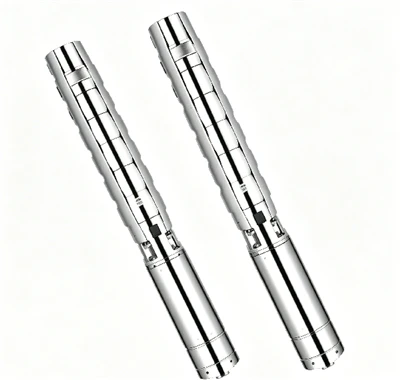
In conclusion, single – stage and multi – stage centrifugal pumps have distinct differences in terms of working principle, pressure and head capacity, efficiency, physical size and installation, cost, and applications. As a centrifugal pump supplier, I understand the importance of choosing the right pump for your specific needs. Whether you require a simple and cost – effective single – stage pump for a low – pressure application or a high – performance multi – stage pump for a demanding high – pressure task, we can provide you with professional advice and high – quality products.
QDX Submersible Pump If you are interested in our centrifugal pumps and would like to discuss your specific requirements, please feel free to contact us. Our experienced sales team is ready to assist you in selecting the most suitable pump for your project and offer competitive pricing and excellent after – sales service.
References
- Simpson, A. T. (2001). Centrifugal Pump Handbook. McGraw – Hill Professional.
- Stepanoff, A. J. (1957). Centrifugal and Axial Flow Pumps: Theory, Design and Application. John Wiley & Sons.
Longbiao Pump Industry Co., Ltd.
We are one of the most professional pipeline pump manufacturers and suppliers in China, featured by quality products and low price. Please rest assured to buy discount pipeline pump for sale here from our factory. We also accept customized orders.
Address: Unit 101, Building 11, Pan’ao Entrepreneurship Park, Daxi Town, Wenling City, Taizhou City, Zhejiang Province, P.R. China
E-mail: 1653746797@qq.com
WebSite: https://www.cnlongbiao.com/
