If you’ve ever flipped through a swatch book of fabric, you’ve probably run into polyester more times than you realize. As a polyester fabric supplier, I get emails every week from designers, makers, and brand owners asking a very specific question: “What patterns are actually available for polyester fabric, and which ones work best for what I’m making?” It’s a fair question. Polyester isn’t just the cheap, scratchy fabric some people remember from fast fashion decades ago—it’s a versatile, durable workhorse that holds patterns better than many natural fibers, withstands industrial printing, and adapts to everything from activewear to home decor. Over 12 years in this industry, I’ve seen how the right pattern can make a good polyester product great, and how choosing the wrong one (or misunderstanding what each pattern can do) can lead to headaches later. Polyester Fabric
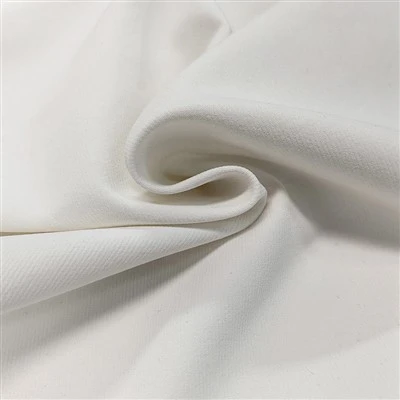
Let’s start with the basics, because not all patterns on polyester are created equal. The fabric’s weave, weight, and finish all interact with how a pattern applies, whether that’s during manufacturing or as a special treatment added after production. The three most common core pattern types are printed patterns, woven-in patterns, and embossed patterns, and each has its own set of strengths, ideal uses, and tradeoffs. I’m not talking about random patterns here—these are structured, repeatable designs that factories produce consistently, and that hold up wash after wash, season after season.
First up, printed patterns. This is the most widely used pattern for polyester, and for good reason. Printing works exceptionally well on polyester because it’s a synthetic fiber with a tight, uniform molecular structure that accepts dye evenly, without bleeding or fading when done correctly. Unlike cotton, which can fade over time if not pre-treated, polyester reacts to disperse dyes—dyes that melt into the fiber itself rather than sitting on top of it—creating a design that’s almost part of the fabric, not just added to it.
There are three main printing methods we use as a supplier, and each caters to a different need. The first is digital printing, which has completely changed the industry in the last 15 years. Digital printing lets us produce very small runs, even just a few yards, without requiring a large upfront cost for screens or setups. For independent designers making a custom line, or small boutique brands testing a new design, digital printed polyester is a game-changer. We can print intricate, detailed patterns—think tiny florals, custom illustrations, or even photographic images—with no color bleed, and the transition between shades is smooth. The downside? It’s not always the most cost-effective for very large orders, because each yard is printed individually, rather than in a continuous roll.
The second is rotary screen printing, which is the workhorse of large-scale production runs. For orders of 1,000 yards or more, rotary printing is faster, more consistent, and cheaper per yard than digital printing. It uses cylindrical screens for each color of the pattern, so we can create bold, vibrant patterns with sharp lines, and the patterns align perfectly across the entire roll. This is the method we use for most of our activewear and home decor polyester, because it holds up to repeated washing and UV exposure better than other printing methods. The limitation here is that it works best with repeatable patterns—you can’t print a custom photo with the same level of detail as digital, and the set-up cost makes it impractical for small runs.
Third is heat transfer printing, which is less common for new fabric rolls but perfect for adding patterns to finished polyester products, or for custom patches and logos. We don’t often use this for full-yard patterns, but if a customer needs to add a brand logo to a batch of polyester t-shirts or tote bags, heat transfer is the way to go. It’s durable, vibrant, and can be applied with precise positioning, though it can peel if the fabric is washed in hot water or dried on high heat.
When it comes to printed patterns on polyester, there are a few common styles our customers ask for. The classic is all-over florals, which are popular for dresses, scarves, and lightweight blouses. We print these on our 100% polyester chiffon and voile, because the sheer weight lets the pattern drape beautifully without feeling bulky. For upholstery, we do bold geometric printed patterns—hexagons, stripes, chevrons—on our heavier polyester twill, which is scratch-resistant and doesn’t stretch out of shape, even on a dining chair. Activewear customers often choose subtle, gradient printed patterns that fade from one color to another, like our popular “ocean fade” design, because disperse dyes make the colors stay bright even after months of sweating.
Next, woven-in patterns. This is the type of pattern that’s part of the fabric itself, not applied on top, and it’s where polyester really shines compared to other fibers. Woven patterns are created by varying the thread color or weave structure during the manufacturing process, so they’re more durable than printed patterns—they won’t fade, crack, or peel, even after hundreds of washes. I’ve had customers come to us with questions about woven patterns because they need a design that will last for years, not just a single season of fast fashion.
The most common woven-in patterns are jacquard and dobby. Jacquard patterns are intricate, large-scale designs created on a computer-controlled loom that can manipulate individual threads to create complex motifs, like paisleys, damasks, or even custom logos. We use polyester jacquard for luxury upholstery, formal dresses, and high-end tote bags, because the woven pattern has depth and texture that printed patterns can’t match. The threads are interlaced, so the pattern feels like it’s part of the fabric, not sitting on the surface, and it’s much more resistant to pilling. A customer of ours recently used our polyester jacquard with a subtle leaf pattern for a line of outdoor patio cushions, and they told me two years later the pattern still looks as good as the day they bought it—no fading, no peeling, even through sun and rain.
Dobby patterns are smaller, more delicate woven-in designs, like tiny dots, herringbones, or subtle stripes. They’re created with a simpler loom than jacquard, so they’re less expensive, making them popular for everyday items. We use dobby polyester for dress shirts, blouses, and bedding, because the small, consistent pattern adds interest without being too loud. For example, our polyester dobby micro-stripe is one of our bestsellers for hotel linens, because it’s durable, easy to clean, and has a sophisticated look that works for both commercial and residential use.
One thing to note about woven patterns on polyester: they require extra care during manufacturing, because the loom has to handle different colored threads. As a supplier, we always test woven patterns for stretch and shrinkage, especially for activewear, because polyester is prone to stretching if the weave is uneven. We also use high-twist threads for most woven patterns to prevent pilling, which is a common complaint with cheap woven fabrics.
The third main category is embossed patterns. This is a fun, often overlooked type of pattern that adds texture to polyester, rather than just color. Embossing works by heating a roller with a raised design and pressing it into the polyester fabric, which softens the synthetic fibers and creates a permanent indentation in the pattern. It’s not as vibrant as printed or woven patterns, but it adds tactile interest and a premium look at a lower cost than woven patterns.
Embossed patterns come in two main types: matte emboss and high-gloss emboss. Matte emboss creates a subtle, textured pattern, like leather grain, small bubbles, or even wood grain, on the surface of the polyester. This is popular for faux leather, which is a huge market for polyester fabric right now—we supply embossed faux leather polyester for handbags, wallets, and furniture, because it looks like real leather but is cheaper, more durable, and easy to clean. The texture is soft to the touch, and the pattern holds up to scratches much better than printed patterns.
High-gloss emboss uses heated rollers to create a raised, shiny pattern, like diamonds, floral motifs, or geometric shapes. This is often used for costumes, event decor, and statement pieces, because the glossy pattern catches light and makes the fabric stand out. We recently supplied a batch of high-gloss embossed polyester for a local theater group’s production of a musical, and they told me the patterns looked amazing under stage lights, and the fabric held up through months of heavy use and washing.
There are a few specialty patterns that we get requests for all the time, which don’t fit neatly into these three categories. One is digital cut patterns, where we use a laser cutter to cut custom shapes into polyester fabric, creating a lacy, perforated pattern. This is popular for bridal wear, lace tops, and activewear, because the cut pattern is lightweight and breathable. We also do tie-dye patterns on polyester, though it’s different from tie-dye on cotton. Polyester tie-dye uses disperse dyes that are heat-set, so the colors are more vibrant and less likely to bleed than cotton tie-dye. It’s a big trend for summer dresses and beachwear, and we produce custom tie-dye polyester in small runs for independent brands.
Another specialty pattern is performance patterns, designed specifically for activewear. These include moisture-wicking patterns, which are created by weaving tiny channels into the polyester to pull sweat away from the body, and UV-protective patterns, where the fabric is treated during manufacturing to block UV rays. We also do anti-microbial patterns, where we add a silver-based treatment to the polyester fibers that prevents bacteria growth, making the fabric perfect for sports uniforms, hospital linens, and travel gear.
Now, as a supplier, I need to be honest about what works and what doesn’t. There are a few myths I hear all the time about patterns on polyester. The first is that all patterns on polyester are cheap and low-quality. That’s just not true—woven jacquard and high-quality digital printed patterns can be just as luxurious as patterns on silk or cotton, and they’re more durable. The second myth is that polyester only works for large, generic patterns. We regularly work with small designers to produce custom patterns, from tiny hand-drawn illustrations to full photographic prints, on polyester fabric, and the results are stunning.
The key to choosing the right pattern for your project is to think about how the fabric will be used. If you’re making outdoor furniture that needs to hold up to sun and rain, a woven jacquard or embossed pattern is the best choice. If you’re making a custom line of dresses with unique designs, digital printed polyester is perfect for small runs. If you’re making activewear that needs to stretch and withstand repeated washing, rotary screen printed patterns or moisture-wicking woven patterns are ideal.
If you’re a designer, brand owner, or maker looking for polyester fabric with the right pattern for your project, we can help. We offer samples of all our pattern types, from digital printed to woven jacquard, and we work with customers to develop custom patterns that fit their vision. Whether you need a small batch for a new line or a large order for retail, we have the experience and equipment to deliver high-quality polyester fabric with patterns that stand the test of time. Don’t hesitate to reach out to start a conversation about your needs.
Knitted Fabric References:
- Textile Institute. (2020). Polyester Fibers: Properties and Applications. Textile Progress.
- International Organization for Standardization. (2018). Standard Test Methods for Durability of Printed Textiles. ISO 105-X12.
- American Association of Textile Chemists and Colorists. (2021). Woven Pattern Structure and Performance in Synthetic Fabrics. AATCC Journal of Research.
Hangzhou Kangsheng Textile Co., Ltd.
Hangzhou Kangsheng Textile Co., Ltd. is one of the most professional polyester fabric manufacturers and suppliers in China. We have world-leading production equipment and strong manufacturing capabilities. Please rest assured to wholesale bulk high quality polyester fabric from our factory. Also, custom service is available.
Address: 22# Building, K7 Original park,No.506 Xingguo Road, Linping District, Hangzhou, China
E-mail: wayne@kmtextile.net
WebSite: https://www.kangshengtextile.com/
