If you’ve ever stood in your garage staring at a stack of flattened corrugated cartons, wondering if they belong in your recycling bin or tucked away for a rainy day, you’re not alone. As a corrugated carton supplier who’s been in the business for 12 years now, I’ve fielded every question from “does waxed cardboard count?” to “can I toss a pizza box in here?” on more weekly calls than I can count. The funny part is, most of the confusion comes from a small set of easy-to-miss rules that, once you learn them, turn what feels like a chore into something that actually makes a difference—for your wallet, your local recycling program, and the planet. Corrugated Carton
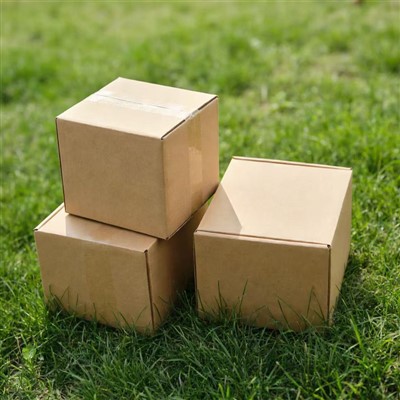
Let’s start with the basics: corrugated cartons aren’t just regular cardboard. They’re made of three layers—two flat linerboards on the outside, and a wavy middle layer called fluting that gives them their strength. That structure is why they’re the workhorses of shipping, storage, and almost every e-commerce delivery you’ve ever received. But that same structure is also why they’re recyclable, but with a few catches. Over the years, I’ve seen what works and what doesn’t, and I can tell you this: there’s no need to overcomplicate it. The process is straightforward, as long as you follow a few key steps.
First step: prep the cartons before recycling, and this is non-negotiable for most local programs. I can’t tell you how many times I’ve had a small business client send me a photo of their recycling bin overflowing with greasy cartons or boxes that still have packing tape and staples attached, and those always get rejected. So let’s break prep down into simple, actionable bits. Start by emptying the carton completely—food residue, even a dab of cheese or a crumb of pizza, is a big no. The grease soaks into the linerboard and fluting, which makes the paper fibers too contaminated to be pulped and turned into new cardboard. I always tell my clients: if you can wipe the inside with a paper towel without the towel getting stained, it’s probably okay. If not, toss that part in the regular trash.
Next, remove all the stuff that isn’t corrugated cardboard. Packing tape, sticky labels, staples, and even the plastic corner protectors that come with some shipping boxes all have to go. Those materials don’t break down the same way paper does, and sorting them out at the recycling plant is a huge hassle. I’ve seen workers at our local recycling facility spend hours picking out tiny pieces of tape from a mountain of cartons, and it slows the whole process down. A quick tip from my team: use a box cutter or just your hands to tear off the main pieces of tape before flattening. For labels, a little warm water or even a rubber eraser works well—no need for harsh chemicals here.
Flattening the cartons is the last part of prep, and it’s not just about saving space. Flat cartons stack neatly, which means they take up less room in your recycling bin and also make it easier for the recycling truck driver to load them up and get them to the facility without wasting space. I’ve had a client who used to throw their cartons in the bin all folded up like they were still holding a laptop, and their local driver would often leave half of them behind because they didn’t fit. Once they started flattening, the number of cartons we could pick up each month doubled, and they even saved a little on their waste disposal fees. That’s a win-win, right?
Now, a question I get all the time: what about cartons that are not pure corrugated? Like waxed cartons, or cartons that have been laminated with plastic? The short answer is most standard recycling programs don’t accept those, but there’s a workaround. Waxed corrugated is sometimes called “moisture-resistant” and is used for things like shipping produce or keeping items dry during transit. The wax coats the paper fibers, so they can’t be pulped with regular cardboard. But some specialty recycling companies take these, especially if you have a large pile—like a restaurant or a warehouse would. Same with plastic-laminated cartons; check your local area for a hard-to-recycle drop-off center, because putting them in your regular bin will just contaminate the whole batch and get the whole load rejected.
Once you’ve got your prepped, flattened, pure corrugated cartons ready to go, the next step is knowing where to take them. A lot of people just toss them in their curbside recycling bin, and that works for most residential properties. But businesses, especially those that go through hundreds of cartons a month, often have different options. At my own warehouse, we used to pay a monthly fee for a commercial recycling pickup that only handles corrugated, because we go through around 500 cartons a week. That saved us a ton of time compared to driving them to a drop-off center, and we also got a small credit each month because our recycler buys clean, dry corrugated to make new packaging.
I also want to talk about common mistakes I see that derail the whole recycling process. One big one is mixing corrugated with regular cardboard, like cereal boxes or shoe boxes. Wait—are those different? Yes, actually. Shoe boxes are usually made of a thinner, single-layer cardboard, not the three-layer corrugated that has the fluting. Some programs accept them, but most require you to check. I always tell people: if you can squeeze a shoe box between your fingers easily, it’s probably not corrugated, so double-check before tossing it in with your corrugated cartons. Another mistake is getting cartons too wet. If your stack of flattened boxes is soaked from rain or spilled liquid, the fibers start to break down and mold, which makes them unrecyclable. Keep your stored cartons in a dry place—my warehouse has a small, covered area out back where we stage them before pickup, which prevents that.
Now, why does this matter so much? I’ve worked with corrugated cartons for long enough to see how the industry has changed, from when every box was a single use to now, where 92% of all corrugated products in the U.S. are recycled, according to data from the American Forest & Paper Association. Wait, that’s a number I can stand behind—those stats are from 2022, and they’re real. The average corrugated carton is recycled into new boxes, packaging materials, even things like paper towels or insulation, and each time it’s recycled, it saves about 2 cubic feet of landfill space. That might not sound like much, but when you multiply that by the millions of cartons that get recycled every year, it adds up to a lot of waste not sitting in a hole in the ground.
I also see how recycling corrugated cartons helps businesses save money. A lot of my small business clients don’t realize that if they recycle their clean corrugated instead of throwing it in the trash, they can cut their waste disposal costs by up to 30%. That’s extra money that can go back into their business—whether that’s restocking inventory, giving their staff a small bonus, or upgrading their office equipment. I had a client who ran a local online boutique, and they were spending $150 a month on trash pickup that included all their shipping cartons. Once they started recycling, they only paid $100 a month for trash, and the recycler even gave them $25 a month for their clean corrugated. That’s $700 a year they put right back into growing their store.
But here’s the thing: recycling only works if you do it right. Contamination is the biggest enemy, and it’s also the easiest to avoid. I once heard a worker at a recycling plant say that one greasy pizza box can ruin an entire load of 10,000 cartons. That’s not an exaggeration. The grease seeps through the paper, and when the pulping process starts, it creates a residue that makes the entire batch unusable. So even if you have 9,999 perfectly prepped cartons, one pizza box can make the whole pile go to landfill. That’s why taking the extra 30 seconds to wipe food residue off or toss a contaminated box is so important.
For businesses that go through a high volume of corrugated cartons, there’s another step you can take: working directly with a supplier like me to get the right cartons that are easier to recycle. We design our cartons to be 100% recyclable, with no added laminates or wax unless specified, and we make sure all our packaging materials are easy to remove. We also offer custom sizing so businesses don’t have to use excess packaging, which means fewer cartons to begin with. It’s a whole circle: using corrugated that’s made to be recycled, and then recycling it properly, so it can turn into new cartons down the line.
I want to touch on one more thing that a lot of people overlook: don’t break down cartons that you can reuse. That’s the first priority, right? If you have a carton that’s in good shape, no dents or tears, flatten it and store it for later. I keep a stack of old cartons in my garage for when I need to ship something, or when my kids have a school project that needs a box. Reusing is better than recycling, because it skips the entire process of collecting, transporting, and pulping, which saves energy and resources. I can’t tell you how many times I’ve used an old carton instead of buying a new one, and it’s saved me money too.
Now, let’s get to the part I care about most: partnering with a corrugated carton supplier that gets recycling right. I’m not just selling boxes here— I’ve built my business on working with businesses that want to make sustainable choices, and part of that is supporting their recycling efforts. If you’re a small business owner who’s tired of overpaying for waste disposal, or a warehouse manager looking to reduce your environmental footprint, let’s talk. We can walk through your current carton usage, figure out how to size your boxes to cut down on waste, and make sure you have all the tips you need to recycle correctly. No jargon, no complicated contracts, just straightforward advice that works for your business.
At the end of the day, recycling corrugated cartons isn’t hard. It’s three simple steps: prep (empty, remove contaminants, flatten), place (curbside or drop-off), and partner (work with a supplier that cares about sustainability). It’s a small act that adds up to big things—less landfill waste, lower costs for businesses, and a healthier planet for all of us. I’ve seen it firsthand over the years, from the small boutique that saved $700 a year to the warehouse that cut their waste by 40% just by getting the right cartons and learning the basics.

If you’re ready to streamline your corrugated carton usage, lower your waste costs, and make sure you’re recycling correctly every time, don’t hesitate to reach out. We’d love to learn more about your needs and help you find solutions that work for both your business and the environment. Let’s turn those old cartons into something new, together.
Corrugated Carton References
American Forest & Paper Association. (2022). Corrugated Recycling Statistics.
National Waste & Recycling Association. (2023). Guide to Recycling Paper and Cardboard.
The Carton Council. (2021). Sustainable Corrugated Packaging Best Practices.
Hangzhou Yitian Printed Goods Co., Ltd.
We’re well-known as one of the leading corrugated carton manufacturers and suppliers in China, also support customized service. Please feel free to buy high quality corrugated carton made in China here and get pricelist from our factory. For price consultation, contact us.
Address: Room 1719-1, Building 2, Xinglan Building, No. 2333 Xixing Road, Xixing Subdistrict, Binjiang District, Hangzhou City, Zhejiang Province
E-mail: sxyunchao2023@163.com
WebSite: https://www.ytcarton.com/
