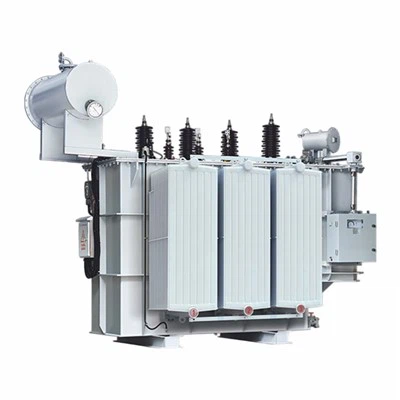
As a supplier of integrated transformers, I’ve had the privilege of working closely with these essential components across a wide range of industries. Integrated transformers are crucial in modern electronics, offering compactness and efficiency. However, like any complex device, they are prone to certain common faults. Understanding these issues is essential for both manufacturers and end – users to ensure optimal performance and reliability. Integrated Transformer
1. Overheating
One of the most prevalent issues with integrated transformers is overheating. This can occur due to several reasons. Firstly, excessive current flow is a major culprit. When the transformer is subjected to a current higher than its rated capacity, it generates more heat than it can dissipate. This might happen if the electrical system experiences a sudden surge in power, or if the load connected to the transformer is too large.
Secondly, poor ventilation can contribute to overheating. Integrated transformers are often designed to be compact, which can sometimes limit the amount of air circulation around the device. In enclosed spaces or when the transformer is installed in a crowded electrical panel, heat cannot escape effectively, leading to a build – up of temperature.
Overheating is not just a minor inconvenience; it can have serious consequences. High temperatures can cause the insulation materials within the transformer to degrade over time. Once the insulation breaks down, it can lead to short – circuits, which can damage the transformer itself and other connected components in the electrical system. Moreover, overheating can also reduce the overall lifespan of the transformer, increasing the need for frequent replacements.
2. Insulation Failure
Insulation is a critical part of any transformer, and in integrated transformers, insulation failure is a common fault. The insulation serves to prevent the flow of current between different parts of the transformer, such as the primary and secondary windings.
There are multiple factors that can lead to insulation failure. Age is one significant factor. Over time, the insulation materials naturally deteriorate due to exposure to heat, humidity, and electrical stress. Chemical contaminants in the environment can also accelerate this degradation process. For example, if the transformer is installed in an industrial area with high levels of pollutants, the insulation can become brittle and crack.
Moisture is another enemy of insulation. If the transformer is not adequately sealed, water can penetrate the insulation. Moisture reduces the dielectric strength of the insulation, making it more likely to break down under normal operating voltages. Once the insulation fails, it can cause a short – circuit, leading to a loss of power and potential damage to the entire electrical system.
3. Short – Circuits
Short – circuits can occur in integrated transformers due to various factors. As mentioned earlier, insulation failure is a primary cause. When the insulation between the windings breaks down, the electrical current can flow directly between the windings, bypassing the normal circuit path.
Physical damage to the transformer can also lead to short – circuits. During transportation or installation, the transformer may be subjected to impacts or vibrations that can cause the windings to come into contact with each other. Loose connections within the transformer can also contribute to short – circuits. If the terminals are not tightened properly, arcing can occur, which can damage the insulation and eventually lead to a short – circuit.
A short – circuit in an integrated transformer can have catastrophic consequences. It can cause a sudden surge in current, which can trip circuit breakers or blow fuses. In severe cases, it can lead to a complete failure of the transformer and damage to other equipment connected to the same electrical system.
4. Core Saturation
The core of an integrated transformer plays a vital role in transferring electrical energy between the primary and secondary windings. Core saturation is a fault that occurs when the magnetic field in the core reaches its maximum capacity and can no longer increase with an increase in current.
This can happen when the transformer is subjected to a DC bias or a high – frequency harmonic current. In power systems with a large number of nonlinear loads, such as computers and variable – speed drives, harmonic currents can be generated. These harmonic currents can cause the core to saturate, leading to increased losses and overheating.
When the core saturates, the transformer’s performance is severely affected. The efficiency of the transformer decreases, and the voltage regulation becomes poor. This can result in unstable power supply to the connected load, which can cause malfunctions in electronic devices.
5. Noise and Vibration
Unusual noise and vibration in an integrated transformer are often symptoms of underlying problems. One of the main causes of noise is magnetostriction. When the magnetic field in the core changes, the core material expands and contracts, producing a humming sound. Excessive magnetostriction can be caused by factors such as over – magnetization due to high voltage or a problem with the core material itself.
Mechanical issues can also lead to noise and vibration. Loose parts within the transformer, such as bolts or laminations, can vibrate and produce rattling sounds. Poor mounting of the transformer can also cause it to vibrate excessively.
Noise and vibration are not only annoying but can also be an indication of potential mechanical failure. Over time, the constant vibration can cause connections to loosen further and damage the internal components of the transformer.
Ways to Mitigate These Faults
To address these common faults, proper design, installation, and maintenance practices are essential. During the design phase, adequate cooling mechanisms should be incorporated to prevent overheating. This can include the use of heat sinks or fans, especially for transformers that will be installed in high – temperature environments.
Proper insulation materials should be chosen based on the expected operating conditions. The insulation should be resistant to heat, moisture, and chemical contaminants. Additionally, the transformer should be designed with proper sealing to prevent moisture ingress.
For installation, it is crucial to follow the manufacturer’s guidelines. The transformer should be installed in a well – ventilated area, and all connections should be tightened properly. Regular maintenance, such as visual inspections, temperature monitoring, and insulation resistance testing, can help detect potential faults early and prevent them from escalating.
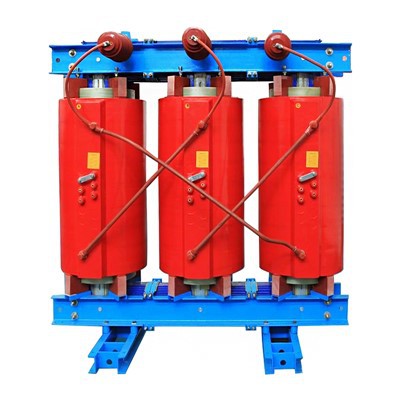
As a supplier of integrated transformers, I understand the importance of providing reliable products. We take great care in the manufacturing process, using high – quality materials and advanced production techniques to minimize the occurrence of these common faults. We also offer comprehensive technical support to our customers, helping them with installation, maintenance, and troubleshooting.
Structural Transformer If you are in the market for integrated transformers and want to ensure that you get a product that is reliable and free from these common faults, I encourage you to reach out to us. Our team of experts is ready to discuss your specific requirements and provide you with the best solutions for your electrical system. Contact us today to start the procurement conversation.
References
- Bansal, R. C. (2019). Electrical Power Systems. Pearson.
- Fitzgerald, A. E., Kingsley Jr, C., & Umans, S. D. (2012). Electric Machinery. McGraw – Hill Education.
- Grainger, J. J., & Stevenson Jr, W. D. (1994). Power System Analysis. McGraw – Hill.
Nantong Yawei New Energy Technology Co., Ltd.
As one of the most professional integrated transformer manufacturers and suppliers in China, we’re featured by quality products and good service. Please rest assured to wholesale durable integrated transformer made in China here from our factory. Customized orders are welcome.
Address: Room 28-101, Building 27 and 28, No.333 Kaiyuan Avenue, Sunzhuang Subdistrict, Hai’an City, Nantong City, Jiangsu Province, China
E-mail: admin@nantongyawei.com
WebSite: https://www.nantongyawei.com/
