As a seasoned provider of industrial chillers, I’ve witnessed firsthand the pivotal role these machines play in various industries. From manufacturing plants to data centers, industrial chillers are the unsung heroes that maintain optimal temperatures, ensuring smooth operations and preventing costly equipment failures. However, like any complex piece of machinery, industrial chillers require regular maintenance and cleaning to function at their best. In this blog post, I’ll share my expertise on how to clean an industrial chiller effectively, ensuring its longevity and efficiency. Industrial Chiller
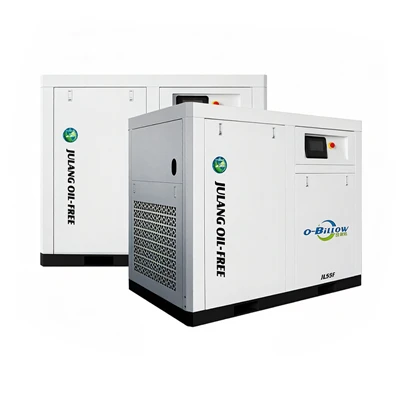
Understanding the Importance of Chiller Cleaning
Before delving into the cleaning process, it’s essential to understand why regular chiller cleaning is so crucial. Over time, industrial chillers accumulate dirt, debris, and contaminants from the surrounding environment. These impurities can clog the chiller’s components, such as the condenser coils, evaporator coils, and filters, reducing its efficiency and performance. A dirty chiller not only consumes more energy but also risks overheating, which can lead to breakdowns and costly repairs.
Regular cleaning helps to remove these contaminants, ensuring that the chiller operates at peak efficiency. It also extends the lifespan of the chiller, reduces the risk of breakdowns, and improves the quality of the chilled water or air it produces. In addition, a clean chiller contributes to a healthier working environment by reducing the spread of airborne contaminants and improving indoor air quality.
Pre-Cleaning Preparations
Before you start cleaning your industrial chiller, it’s important to take some precautions to ensure your safety and the safety of your equipment. First, make sure that the chiller is turned off and disconnected from the power source. This will prevent any electrical accidents and ensure that you can work on the chiller safely.
Next, gather all the necessary cleaning supplies and equipment. You’ll need a soft brush, a vacuum cleaner, a mild detergent, a clean cloth, and a pressure washer (if necessary). Make sure that all the cleaning supplies are appropriate for use on the chiller’s components and that they won’t cause any damage.
Finally, review the manufacturer’s instructions and guidelines for cleaning your specific chiller model. Different chillers may have different cleaning requirements, so it’s important to follow the manufacturer’s recommendations to ensure that you clean the chiller properly.
Cleaning the Exterior of the Chiller
The first step in cleaning an industrial chiller is to clean the exterior of the unit. Start by removing any loose dirt, debris, or dust from the surface of the chiller using a soft brush or a vacuum cleaner. Pay special attention to the vents, grilles, and access panels, as these areas tend to accumulate more dirt and debris.
Once you’ve removed the loose dirt, mix a mild detergent with water in a bucket. Dip a clean cloth into the soapy water and wring it out thoroughly. Use the cloth to wipe down the exterior of the chiller, including the sides, top, and front. Be careful not to get any water or detergent inside the chiller, as this can damage the electrical components.
After wiping down the chiller, rinse the cloth with clean water and wipe the chiller again to remove any remaining detergent residue. Dry the exterior of the chiller with a clean, dry cloth to prevent rust and corrosion.
Cleaning the Condenser Coils
The condenser coils are one of the most important components of an industrial chiller. They are responsible for dissipating heat from the refrigerant, allowing the chiller to cool the water or air effectively. Over time, the condenser coils can become clogged with dirt, debris, and contaminants, reducing their efficiency and performance.
To clean the condenser coils, start by removing the access panel to the condenser unit. Use a soft brush or a vacuum cleaner to remove any loose dirt, debris, or dust from the surface of the coils. Be careful not to damage the fins of the coils, as this can reduce their efficiency.
Once you’ve removed the loose dirt, use a pressure washer to clean the coils. Set the pressure washer to a low setting and spray the coils with water from a distance of about 12 inches. Start at the top of the coils and work your way down, making sure to cover the entire surface of the coils.
If the coils are particularly dirty, you may need to use a coil cleaner to remove the stubborn dirt and contaminants. Follow the manufacturer’s instructions for using the coil cleaner, and make sure to rinse the coils thoroughly with water after applying the cleaner.
After cleaning the coils, dry them with a clean, dry cloth to prevent rust and corrosion. Replace the access panel to the condenser unit and make sure it is securely fastened.
Cleaning the Evaporator Coils
The evaporator coils are another important component of an industrial chiller. They are responsible for absorbing heat from the water or air, allowing the chiller to cool it effectively. Like the condenser coils, the evaporator coils can become clogged with dirt, debris, and contaminants over time, reducing their efficiency and performance.
To clean the evaporator coils, start by removing the access panel to the evaporator unit. Use a soft brush or a vacuum cleaner to remove any loose dirt, debris, or dust from the surface of the coils. Be careful not to damage the fins of the coils, as this can reduce their efficiency.
Once you’ve removed the loose dirt, use a mild detergent and a clean cloth to wipe down the surface of the coils. Make sure to remove any stubborn dirt or contaminants, and rinse the coils thoroughly with water to remove any remaining detergent residue.
After cleaning the coils, dry them with a clean, dry cloth to prevent rust and corrosion. Replace the access panel to the evaporator unit and make sure it is securely fastened.
Cleaning the Filters
The filters in an industrial chiller are responsible for removing dirt, debris, and contaminants from the air or water that passes through the chiller. Over time, the filters can become clogged with these impurities, reducing their efficiency and performance.
To clean the filters, start by removing them from the chiller. Check the manufacturer’s instructions for the recommended cleaning method for your specific filter type. Some filters can be washed with water and a mild detergent, while others may need to be replaced.
If you’re washing the filters, soak them in a bucket of soapy water for about 15 minutes. Use a soft brush to gently scrub the filters to remove any stubborn dirt or contaminants. Rinse the filters thoroughly with water to remove any remaining detergent residue.
After cleaning the filters, dry them completely before reinstalling them in the chiller. Make sure the filters are installed correctly and that they are securely fastened.
Cleaning the Water Reservoir
If your industrial chiller has a water reservoir, it’s important to clean it regularly to prevent the growth of bacteria, algae, and other contaminants. Start by draining the water from the reservoir and removing any debris or sediment that has accumulated at the bottom.
Next, mix a solution of mild detergent and water in a bucket. Use a clean cloth or a sponge to wipe down the inside of the reservoir, making sure to remove any dirt, grime, or stains. Rinse the reservoir thoroughly with water to remove any remaining detergent residue.
To prevent the growth of bacteria and algae, you can add a water treatment chemical to the reservoir. Follow the manufacturer’s instructions for using the water treatment chemical, and make sure to add the correct amount for the size of your reservoir.
Post-Cleaning Checks
After you’ve completed the cleaning process, it’s important to perform some post-cleaning checks to ensure that the chiller is functioning properly. Start by turning on the chiller and checking the temperature and pressure readings. Make sure that the chiller is cooling the water or air effectively and that there are no unusual noises or vibrations.
Next, check the electrical connections and wiring to make sure that they are secure and that there are no signs of damage. Inspect the hoses and pipes for any leaks or cracks, and make sure that they are properly connected.
Finally, check the filters and replace them if necessary. Make sure that the filters are clean and that they are working effectively.
Conclusion

Cleaning an industrial chiller is an important part of maintaining its efficiency, performance, and longevity. By following the steps outlined in this blog post, you can ensure that your chiller is clean and functioning properly, reducing the risk of breakdowns and costly repairs.
Server Room Air Conditioner If you’re looking for a reliable and efficient industrial chiller for your business, we’re here to help. Our team of experts can help you choose the right chiller for your specific needs and provide you with the support and maintenance you need to keep it running smoothly. Contact us today to learn more about our industrial chiller products and services and to start a purchase negotiation.
References
- ASHRAE (American Society of Heating, Refrigerating and Air-Conditioning Engineers). ASHRAE Handbook – HVAC Systems and Equipment.
- Manufacturer’s manuals for various industrial chiller models.
Shanghai Soouney Refrigeration Equipment Co., Ltd.
As one of the most professional industrial chiller manufacturers and suppliers in China, we offer a wide range of products with superior quality. Please feel free to wholesale customized industrial chiller from our factory. Also, quotation is available.
Address: 1st Floor, Office Building, No. 15 Tongxin East Road, Wanping, Wujiang District, Suzhou City, Jiangsu Province (Shuni Company)
E-mail: shkt@souney.com.cn
WebSite: https://www.soouneyrefrigeration.com/
