If you’ve ever stood on the edge of a lake, tasted tap water after a summer trip, or waited for results from a well water test for your home, you’ve probably wondered what makes those numbers on a water quality report click. As someone who’s been in the water quality testing reagents and supporting supplies business for over 12 years, I get it—most folks see a “0.5 NTU” turbidity reading or “0.01 mg/L” lead limit and assume it’s just a lab trick. The truth is, every single result relies on specific reagents; without the right ones, even the most high-tech water test kit is just a plastic tube and water. Reagents and Supporting Supplies
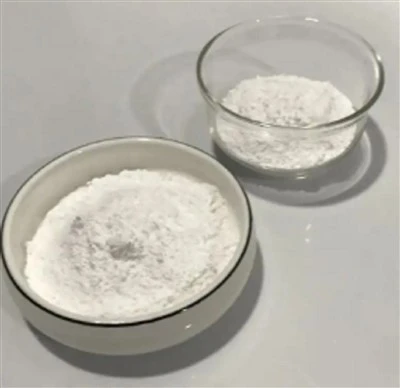
Let’s break this down by the most common parameters you’ll test for, because each parameter needs its own set of reagents, and mixing them up is a fast way to get wrong, dangerous results. I’ve seen it happen once when a small municipal water utility swapped ammonia reagents for nitrate ones in a pinch—they missed a spike in nitrite that almost made a community sick. That’s why it’s not just about having reagents, it’s about knowing what each does, who needs them, and how to pick the right ones for your use case.
First up: basic drinking water safety, which is the most common use case for home test kits, small schools, and even local cafes. The big three here are pH, total chlorine, and free chlorine. pH is the foundation—if your chlorine reading seems off, nine times out of 10, your pH reagent is expired. For most home testers, that’s a pH indicator tablet (usually phenol red) that turns a color, and you match it to a chart. For more precise testing, you might use pH buffer solutions, which aren’t just for calibration—they’re reagents too, because they standardize the test so your color match isn’t skewed. Then chlorine: free chlorine is the active germ-killer in tap water, and total chlorine includes the stuff that’s already reacted with bacteria. The reagents here are DPD (N,N-diethyl-p-phenylenediamine) powder or liquid. I’ve heard people joke that DPD is the workhorse of chlorine testing, and honestly, they’re not wrong. It reacts with chlorine to form a pink color, and the intensity of that pink tells you how much chlorine is there. For home use, DPD tablets are easy, but for commercial testing, liquid DPD is more consistent—no crumbly tablets that lose potency if stored in a hot garage.
Next, parameters that people worry about most for long-term health: heavy metals. Lead, copper, arsenic, mercury—these are the villains that don’t have a smell or taste, so testing is non-negotiable. The reagents here are a bit trickier, because they often require more precision. For lead, one of the most common reagents is sodium borohydride, but wait—no, that’s for some atomic absorption methods. Wait, for colorimetric home tests, lead uses a chelating agent, usually dithizone, which binds to lead and turns it a bright red. But dithizone is super sensitive, so it has to be stored in dark bottles away from light, or it’ll break down. That’s a tip I give every client: if your dithizone reagent is stored on a sunny shelf, it’s useless, no matter the expiration date. For arsenic, the standard test uses the Gutzeit method, which uses zinc powder and mercuric chloride to form arsine gas, which turns a test paper brown. Wait, but mercuric chloride is regulated now, so a lot of newer reagents are alternatives, like diethyldithiocarbamate, which is less toxic and works just as well. That’s one of the big shifts I’ve seen in the last five years—reagent manufacturers moving away from hazardous chemicals while keeping test accuracy up. We supply both the traditional and alternative versions, because some small towns still use the Gutzeit method for familiarity, and others need compliant, safer options.
Then there’s nutrient testing—ammonia, nitrite, nitrate, and total nitrogen. These are the ones that cause algae blooms in lakes and rivers, so they’re key for environmental water testing, wastewater treatment plants, and even agricultural runoff tests. Ammonia uses a reagent called Nessler’s reagent, which reacts with ammonia to form a yellow-brown color. But Nessler’s has mercury in it, so again, regulatory changes have pushed alternatives like salicylate-based ammonia reagents, which are less toxic and give more consistent results in high-salinity water (like coastal runoff). Nitrite is even simpler: it uses sulfanilamide and N-1-naphthylethylenediamine dihydrochloride (NED) to form a pink azo dye. That’s a reaction I’ve done a hundred times in my own lab, and it’s super reliable—if the test is done right, the color match is almost foolproof. Nitrate is a little trickier; it usually needs a reduction step, using cadmium metal to turn nitrate into nitrite, then the same nitrite reagents. But cadmium is toxic, so now there are cadmium alternatives, like copper-cadmium alloys, which work just as well and are easier to dispose of. I remember when our first alternative nitrate reagent came out, a wastewater treatment manager told us it was a game-changer—he didn’t have to deal with hazardous waste disposal fees anymore, which saved his department thousands a year.
Wastewater testing is a whole other ballgame, because the parameters there are way higher in concentration and more variable. Biological oxygen demand (BOD) is the big one for wastewater—wait, no, BOD is a test, but the reagents for BOD are the nutrient broth and seed material, right? And then chemical oxygen demand (COD), which is a common parameter that measures organic matter in wastewater. COD uses potassium dichromate as the oxidizing agent, sulfuric acid as the reaction medium, and silver sulfate as a catalyst. That’s a strong reaction, so you have to be careful with it, but it’s the gold standard for quick COD testing. We supply COD reagent vials for both home kits and lab analyzers—those vials are pre-mixed, so all you have to do is add your water sample, heat it, and read the result. No measuring out chemicals, no mixing, which cuts down on human error. That’s a big reason COD tests are so popular with small wastewater plants—they don’t have a dedicated lab tech, so pre-made reagent vials make it easy.
Then there are the supporting supplies that go hand-in-hand with reagents, because even the best reagent is useless if you mess up the equipment. Let’s be honest—when a client comes to me saying their lead test results are all over the place, 9 times out of 10 it’s not the reagent, it’s that they’re using a plastic cup that leaches lead, or their test tube has scratches that trap the color. So we supply things like calibrated test tubes, pipettes (both manual and electronic), storage bottles for reagents, and even color comparison blocks for visual tests. For home users, we also supply test strips—wait, test strips are a type of reagent, right? They have the reagents embedded in a plastic strip, so you dip it in water, wait, and read the color. Test strips are super convenient for quick, on-site testing, but they’re less precise than liquid or powder reagents. I always tell clients: use test strips for a quick screening, but if you get a positive result, follow up with a lab test using liquid reagents. That’s the difference between a rough guess and a reliable result.
Now, let’s talk about who uses these reagents, because that changes what you need. Small, private well owners usually use home test kits with DPD for chlorine, dithizone for lead, and pH tablets. They don’t need lab-grade precision, they just need to know if their water is safe for drinking. Then there are small restaurants and schools—they need to test tap water for lead, and they might also test pool water, which uses the same DPD reagents for chlorine, but sometimes additional reagents for pH and alkalinity. Pool water is a whole other category too, by the way—total alkalinity uses phenolphthalein and methyl orange indicators, and calcium hardness uses EDTA as the titrant. I’ve had pool supply stores as clients for years, and they go through those reagents non-stop in the summer. Then there are municipalities and environmental labs—they need reagents with strict quality control, because their results have to meet regulatory standards. We supply lot-specific certificates of analysis for those clients, so they can prove to the EPA that their test reagents are accurate. That’s a big part of what we do—we don’t just sell reagents, we help clients make sure their testing is compliant.
One of the most common mistakes I see new clients make is using old reagents. Reagents expire because their active ingredients break down over time—heat, light, and moisture speed that up. For example, DPD tablets expire after 1 year, but if you leave them in a hot car, they’ll go bad in 3 months. Nessler’s reagent has a shelf life of about 6 months, and it has to be stored in a dark fridge. I always tell clients: check the expiration date, and if your reagent looks discolored or cloudy, throw it out, even if it’s not expired. I once had a client who insisted his DPD tablets were good, even though they turned pink before he added water—he got a reading of 10 mg/L chlorine, which was way too high, and we found out the tablets had oxidized from being stored in a hot storage closet. That mistake could have led him to over-chlorinate his well, which would have made the water taste bad for months. It’s a small tip, but it saves a lot of headaches.
Another thing to consider is regulatory compliance. In the U.S., the EPA sets standards for drinking water, and any reagent you use to test for regulated contaminants has to be either EPA-approved or meet the same accuracy standards as approved methods. We only supply reagents that meet those standards, because if a client uses a non-approved reagent, their results won’t be accepted for regulatory reporting. That’s why a lot of small municipalities come to us—we walk them through the approved reagents for each parameter, and make sure they have all the supporting supplies they need to do the test correctly.
Now, if you’re reading this and you’re someone who needs water quality testing reagents—whether you’re a home well owner, a small business, a lab, or a municipality—let’s talk. I’ve been doing this long enough to know that every client’s needs are different. A home user might just need a single vial of lead reagent, while a wastewater plant needs bulk COD reagent vials and a delivery schedule that works for their weekly testing. We can help you choose the right reagents, explain how to use them correctly, and answer any questions you have about storage, shelf life, or compliance. Don’t waste time guessing which reagent to use—reach out to our team to discuss your specific testing needs, and we’ll put together a package that works for you.
You don’t have to be a lab expert to get accurate water test results. The right reagents, paired with a little know-how, make all the difference in making sure your water is safe for drinking, swimming, or releasing into the environment. We’re here to make that process easy, so you can focus on what matters—whether that’s keeping your family safe, running your business smoothly, or protecting local waterways.
Cosmetic Peptides References
- American Public Health Association. (2022). Standard Methods for the Examination of Water and Wastewater, 23rd Edition.
- U.S. Environmental Protection Agency. (2021). Safe Drinking Water Act: Testing Reagent Requirements for Regulated Contaminants.
- World Health Organization. (2020). Guidelines for Drinking-Water Quality, 4th Edition Addendum.
- Water Environment Federation. (2023). Reagent Selection and Quality Control for Wastewater Testing.
Ruypeptide Biotechnology Co., Ltd.
Ruypeptide Biotechnology Co., Ltd. is one of the most professional reagents and supporting supplies manufacturers and suppliers in China. With abundant experience, we warmly welcome you to buy discount reagents and supporting supplies in stock here and get pricelist from our factory. Quality products and reasonable price are available.
Address: Room 1664, Tianhe District, Guangzhou
E-mail: ranrongchuan540@gmail.com
WebSite: https://www.gslifepharma.com/
