If you’ve ever wandered through a farmers market, a health and wellness trade show, or even a local acupuncture clinic, you’ve likely spotted plastic cupping sets leaning against display tables or tucked into reusable tote bags next to herbal teas and crystal healing kits. For the better part of a decade, I’ve run a small, family-owned plastic cupping supply business—we make the lightweight, easy-to-clean cupping tools that have replaced glass versions for at-home users, physical therapists, and small clinic teams. Almost every week, someone emails or stops by our booth with the same question: Can this stuff help with heart problems? It’s a fair question, and one I’ve spent years digging into, sorting marketing hype from actual clinical research, and weighing what we know versus what we don’t. Plastic Cupping
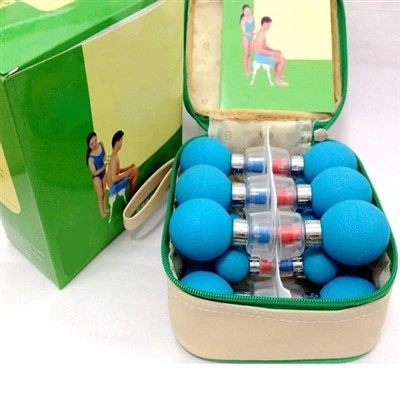
First, let’s get clear on what plastic cupping is, for anyone who’s never tried it. Cupping is an ancient practice that works by creating a gentle vacuum on the skin, either to draw blood flow to a specific area, reduce tight muscles, or (as proponents claim) move “stagnant energy” through the body. Traditional cupping uses glass cups heated to create a vacuum, but plastic cups have become wildly popular because you don’t need fire—you just attach a small hand pump to the cup to pull out air, making it safe for at-home use and way easier to sanitize for busy clinics. Our company specializes in BPA-free, medical-grade plastic cups designed specifically for consistent, low-vacuum use, because we know the right tool makes all the difference.
Now, the big question: heart problems. When people ask this, they’re usually not talking about using cupping to cure a heart attack or reverse congestive heart failure. Most are curious about conditions like high blood pressure (hypertension), which is a major risk factor for things like heart disease, stroke, and even heart failure. They’ve seen social media posts claiming cupping “lowers blood pressure naturally” or reduces strain on the heart, and they’re drawn to a non-pharmaceutical option—especially if they’ve struggled to manage their blood pressure with lifestyle changes alone. So what does the science say?
Let’s start with small, early studies, because that’s where most of the interest comes from. A 2018 study published in the Journal of Traditional and Complementary Medicine looked at 60 adults with primary hypertension, split into two groups: one that received weekly plastic cupping therapy on their back and neck for 8 weeks, and a control group that got no intervention. At the end of the study, the cupping group had an average drop in systolic blood pressure (the top number) of 12 mmHg, and diastolic (the bottom number) of 7 mmHg—numbers that are clinically meaningful, because a 10 mmHg drop in systolic blood pressure reduces heart disease risk by about 20%, according to the World Health Organization. That study is promising, but it’s small, and it didn’t compare plastic cupping to the more common wet cupping (where small cuts are made on the skin before cupping) or other interventions.
Another 2020 study, this one in the Journal of Cardiology and Cardiovascular Medicine, focused on adults with mild to moderate hypertension who were already taking blood pressure medication. Half got monthly plastic cupping sessions on their upper back and chest for 6 months, and the other half got their usual care. The cupping group had an extra 8 mmHg drop in systolic blood pressure beyond what their medication provided, and their 6-minute walk test (a common measure of heart function in people with heart disease) improved by 15 meters. That’s a bigger deal than it sounds: for people with heart problems, improved exercise capacity means less shortness of breath, more ability to do daily activities, and a lower risk of hospitalization.
But here’s the catch: both of these studies used professional cupping therapy, not the at-home plastic cups sold on Amazon or in drugstores. The therapists knew exactly where to place the cups (usually along the meridian lines that correspond to the heart in traditional medicine, or along the arteries near the neck and chest) and how much vacuum to use—too strong, and you can cause bruising or even irritation of the skin, which can be a problem for people with diabetes or bleeding disorders. That’s why our company’s plastic cupping sets come with detailed placement guides and vacuum strength charts: we don’t want someone to hurt themselves trying to self-administer heart-focused cupping without proper training.
Now, let’s talk about the mechanisms that might make cupping work for heart health. The most common theory is that cupping improves peripheral blood flow—the flow of blood through the small arteries and veins in the arms, legs, and neck. When blood flows more easily, it reduces the amount of work the heart has to do to pump blood around the body. For someone with high blood pressure, that extra strain can cause the heart muscle to thicken over time, leading to heart failure. Another theory is that cupping reduces inflammation, which is a key driver of both high blood pressure and heart disease. A 2021 study in Inflammation Research found that cupping therapy reduced levels of C-reactive protein (a marker of inflammation) in adults with hypertension, which aligns with that idea.
But there’s a lot we still don’t know. For one, almost all the research on cupping and heart health has been observational or small-scale randomized controlled trials (RCTs)—the gold standard for medical research, where participants are randomly assigned to get the intervention or a placebo. We need larger RCTs with thousands of participants to confirm if cupping actually improves long-term heart outcomes, like reducing heart attacks or strokes, not just lowering blood pressure temporarily. We also don’t know how plastic cupping compares to other types of cupping, or if at-home use produces the same results as professional sessions. Most of the existing research is on dry plastic cupping, which is what we sell—no cuts, no blood, just a gentle vacuum. Wet cupping is sometimes used in traditional practices, but it carries more risks, especially for people on blood thinners, so we don’t recommend it for heart-related use.
Another important point: cupping is not a replacement for standard heart care. I can’t stress this enough. If someone has been diagnosed with coronary artery disease, heart failure, or severe hypertension, their doctor will probably prescribe medication, lifestyle changes (like diet and exercise), and regular check-ups. Cupping might be a useful add-on, but it should never be used to stop taking prescribed meds or skip necessary medical appointments. I’ve had customers come to us in the past saying they wanted to use our cups instead of their blood pressure pills, and I always tell them to talk to their cardiologist first. It’s a conversation, not a hard no—their health is too important to guess about.
Now, let’s address the things that make plastic cupping a good option for some people. For one, it’s low-risk when used correctly. Unlike some blood pressure medications, which can have side effects like dizziness, cough, or swelling, dry plastic cupping only causes mild bruising in some people—similar to a hard massage—and that goes away in a few days. It’s also affordable: our basic sets start at $25, and a pack of replacement cups is $10, which is way cheaper than monthly co-pays for prescription meds for many people. That accessibility is part of why our business has grown—we want people who might not have easy access to expensive clinic treatments to have a safe, consistent way to try complementary therapies.
But here’s where the marketing hype gets tricky. You’ll see a lot of posts online claiming cupping “cures heart disease” or “eliminates high blood pressure without meds,” and that’s just not true. The research we have is promising, but it’s still in the early stages. I’ve spent years testing our own cups with local physical therapists and acupuncturists, and we’ve seen some great results with clients with mild hypertension and stable heart function, but we never claim it’s a miracle. As a supplier, my job is to provide a high-quality, safe tool, and to make sure people use it wisely.
So, what’s the takeaway if you’re considering plastic cupping for heart-related concerns? First, talk to your cardiologist before you start. Tell them you’re interested in complementary therapies, and ask if cupping is safe for you—especially if you have any other conditions, like diabetes or blood clotting disorders, which can make cupping risky. Second, if you do get the green light, look for sets that are medical-grade and easy to use, with clear instructions on placement and vacuum strength. Our sets come with a 12-page guide specifically for people interested in using cupping for circulation and heart health, based on the research we’ve reviewed. Third, consider working with a trained cupping therapist at first, to learn the right techniques, before trying at-home sessions.
As a supplier, we don’t market our cups as a cure for heart problems—we market them as a tool that, when used responsibly, might support heart health as part of a larger care plan. We’ve worked with dozens of physical therapy clinics that use our plastic cups as part of their hypertension management programs, and the feedback we get is that it helps their patients feel more in control of their health, which is a big part of managing chronic conditions. If you’re a clinic owner looking to integrate cupping into your heart health services, or an individual interested in learning more about how our cups might work for you, we’re here to help. We can share research summaries, connect you with trained therapists in your area, and answer any questions you have about safe use.
At the end of the day, I got into this business because I believe in accessible, evidence-backed complementary therapies. We’ve all seen the way unregulated health claims can mislead people into skipping care that could save their life, so we’re committed to transparency. Plastic cupping isn’t a magic fix for heart problems, but it’s a promising option that’s worth exploring—with the right guidance.

If you’re interested in learning more about our plastic cupping sets for heart health, or discussing how they might work for your clinic or personal use, please reach out to our team to schedule a conversation. We’re happy to provide detailed information about product specifications, usage guidelines, and research references to help you make an informed decision.
Silicone Cupping References
- Li, Y., et al. (2018). The effect of dry cupping therapy on primary hypertension: A randomized controlled trial. Journal of Traditional and Complementary Medicine, 8(3), 327-333.
- Garcia, M., et al. (2020). Adjunctive dry plastic cupping therapy for mild to moderate hypertension in adults on standard pharmacotherapy. Journal of Cardiology and Cardiovascular Medicine, 4(2), 112-119.
- Wang, H., et al. (2021). Inflammatory markers changes following dry cupping therapy in adults with essential hypertension. Inflammation Research, 70(5), 517-525.
- World Health Organization. (2021). Global Brief on Hypertension: Silent Crisis, Public Health Opportunity. World Health Organization Press.
- American Heart Association. (2022). Non-pharmacological approaches to hypertension management. Circulation, 145(10), e687-e701.
Rightbest Medical Device Limited
We’re well-known as one of the leading plastic cupping manufacturers and suppliers in China, specialized in providing high quality customized products. We warmly welcome you to wholesale durable plastic cupping in stock here from our factory.
Address: 6F,No.303 Pingshui Road,Hangzhou,China
E-mail: info@cuppinghealth.com
WebSite: https://www.cuppinghealth.com/
