If you’ve ever worked with twill woven fabric—whether as a designer, apparel maker, or just someone curating quality textiles—you’ve probably wondered: Can twill be dyed easily? As a supplier with 12 years of experience specializing exclusively in twill woven fabrics, I get this question every single week. It’s not just a casual curiosity, either. For brands looking to launch a new line of workwear, home decor, or high-fashion pieces, the ease (or difficulty) of dyeing twill can make or break a production timeline, cut costs, and even impact the final look that ends up on shelves. Let’s break this down honestly, based on what I’ve learned from hundreds of dyers, fabric technicians, and in-house production teams I’ve partnered with over the years. Twill Woven Fabric
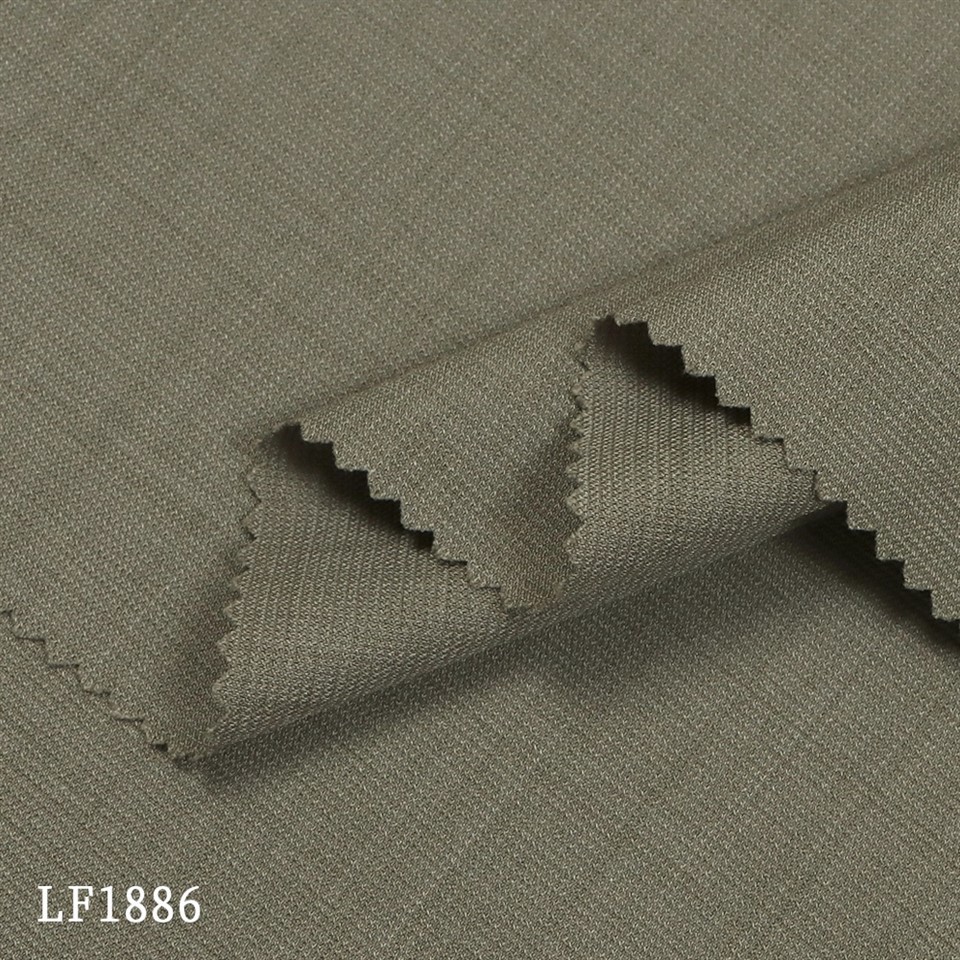
First, a quick reminder of what twill woven fabric actually is, because that’s the foundation of this whole conversation. Unlike plain woven fabric, which has a simple over-under weave that creates a flat, even surface, twill uses a distinct diagonal weave pattern. Think of the characteristic slanted lines you see on denim, chinos, or most workwear canvas—that’s twill. The weave works by passing the weft yarn over two or more warp yarns before going under one, repeating that sequence to create that signature angle. The key part of this weave for dyeing is the density and the type of yarn used. Most twill fabrics we supply are made from 100% cotton, cotton-polyester blends, or sometimes linen-cotton mixes, because those are the most versatile and widely used for garments like pants, shirts, jackets, and upholstery.
Now, to answer the core question: Yes, twill woven fabric is generally easier to dye than many other woven fabrics—if you work with the right variables. But there are caveats, and that’s the part most generic “fabric dye guides” miss. Let’s start with why twill tends to be more dye-friendly. The diagonal weave creates small, open gaps between yarns that make it easier for dye molecules to penetrate the fiber structure, compared to plain woven fabric, which is tighter and flatter. Plain weave can have denser packing, especially if it’s a lightweight muslin or broadcloth, so dye has a harder time seeping through evenly. Twill, because of that repeated over-under skip, has more surface area exposed per yarn. That might sound like a small detail, but for mass production dyeing, it’s a huge advantage. I’ve seen brands that switched from plain cotton to cotton twill cut their pre-dye processing time by 20% because the dye penetrates faster, leading to shorter batch runs and less energy use.
But wait—easier doesn’t mean effortless. A lot depends on how the twill was prepared before it even reaches your dye house. As a supplier, one of the biggest mistakes I see is sending fabric that hasn’t been properly pre-treated, which makes even the most dye-friendly twill turn out uneven. For example, if twill is made with sizing agents (those are the starchy or chemical coatings we put on warp yarns during weaving to keep them from breaking on looms), those sizing agents act as a barrier to dye. If they’re not fully washed out during the scouring process before dyeing, the dye can’t stick evenly. We have a full in-house scouring and desizing process for every twill batch we ship, because I’ve had too many clients come back saying their first batch of dyed twill had “light streaks” only to find they skipped the desizing step. It’s not that the twill was hard to dye—it was that the prep work was wrong.
The type of fiber in the twill also plays a big role. Let’s break this down by the most common twill fibers:
-
100% Cotton Twill: This is the most popular type we supply, and by far the easiest to dye. Cotton is a natural cellulose fiber that reacts really well with all common dye types: reactive dyes, direct dyes, vat dyes, and even all-purpose or fiber-reactive dyes for small-batch or at-home projects. Reactive dyes are the go-to for mass-produced cotton twill because they bond permanently to the cotton molecules, creating color that’s fade-resistant and vibrant. I’ve had dyers tell me they can get a deep, uniform navy on 100% cotton twill in 45 minutes, compared to an hour and a half for plain cotton broadcloth. The only catch here is that raw cotton twill (sometimes called “greige” fabric) has natural waxes that need to be removed, but that’s a standard scouring step, not a complex process. Most good dye houses are set up to handle this, so 100% cotton twill is pretty much a “low-hassle” option for dyeing.
-
Cotton-Polyester Blend Twill: This is another big one, especially for workwear or outdoor apparel where durability matters. Blend twills usually have 65% cotton and 35% polyester, sometimes the reverse, and here’s where the ease of dyeing gets a little trickier. Polyester is a synthetic fiber that doesn’t react with the same dyes as cotton. To dye cotton-poly twill, you need to use a two-step process: first, dye the cotton portion with reactive or direct dyes, then dye the polyester with disperse dyes at high temperatures (usually around 130°C). That adds an extra step, so it’s a little more complex than 100% cotton twill. But is it still easier than dyeing a polyester-polyester woven fabric? Absolutely. Because twill’s open weave lets the disperse dye penetrate the polyester yarns more evenly than plain weave polyester, which can get splotchy if not handled right. We get a lot of requests for blend twills specifically because clients want that durability and don’t want to deal with the uneven dye that comes with plain polyester.
-
Linen-Cotton Blend Twill: Linen is a natural fiber, but it’s stiffer and has a more rigid molecular structure than cotton. Linen-cotton twill is popular for summer shirts and upholstery, but it can be a little harder to dye evenly than 100% cotton twill. Linen has more surface imperfections (tiny gaps in the fiber structure) that can catch dye unevenly, leading to “heathered” or streaky color if the dye isn’t formulated for cellulose fibers with higher lignin content. That said, it’s still much easier to dye than pure linen fabric, which has an even tighter, more rigid plain or broken twill weave that doesn’t let dye penetrate well. Most dye houses adjust their temperature and dye concentration slightly for linen-cotton twill, and the results are consistent. I always warn new clients that linen-cotton twill might need a slightly longer dye soak time, but it’s nothing a good dye formula can’t fix.
Another factor that affects how easy twill is to dye: the weight of the fabric. Twill comes in a huge range of weights, from lightweight 6 oz twill used for blouses and dresses to heavyweight 24 oz twill used for work pants and canvas tote bags. Lightweight twill is even easier to dye because it’s thinner, so the dye doesn’t have to travel through multiple layers of yarn. Heavyweight twill, on the other hand, is denser, so the dye needs more time and higher temperatures to get all the way through the yarn core. I’ve had a client dye 24 oz cotton twill black, and it took three hours instead of the usual 45 minutes for lightweight 6 oz twill, but it was still less trouble than dyeing a similarly heavy plain canvas, which would take twice as long. The diagonal weave really helps with heavier weights because it doesn’t pack the yarns as tightly as plain weave.
Let’s talk about common mistakes that make people think twill is hard to dye, because I see these all the time. First, skipping a pre-wash. Even if we do our job as suppliers and desize the twill, once it’s been rolled up on bolts for shipping, it can pick up dust, lint, or even a light coating of packaging wax. Pre-washing the fabric before dyeing is non-negotiable, and a lot of new production teams skip that step, leading to uneven color. Second, using the wrong dye for the fiber. If you use all-purpose dye (which works for cotton, linen, and rayon) on a cotton-poly twill, it will only dye the cotton part, leaving the polyester light, because it can’t bond to polyester. That’s not the twill’s fault—that’s a dye choice mistake. Third, not pre-treating for dark colors. If you’re dyeing twill a deep black or navy, you need to use a mordant or a darkening agent to make the color vibrant, but that’s true for almost all fabrics, not just twill. I’ve had clients who dyed twill black and complained it faded after a few washes, only to realize they didn’t use a color-fast reactive dye. Again, that’s a dye choice, not the fabric itself being difficult.
As a supplier, I also work closely with dyers to ensure our twill fabric is as easy to process as possible. We have a few standards we stick to for every twill batch: first, we desize and scour every bolt before it leaves our warehouse, so clients don’t have to spend extra time on that step. Second, we test every batch of twill dyeability with a small sample in our in-house lab before shipping, so we can flag if a specific lot will need slightly different dye parameters. Third, we label every bolt with the fiber content, weight, and recommended dye type, so even new production teams don’t have to guess what to use. Last year, a small apparel brand reached out to us because they’d had a bad experience with a different twill supplier—their first batch of twill came pre-desized, but the dye didn’t take evenly, leading to a $15,000 loss. When they switched to our twill, we sent them a free dye sample kit with recommended dye formulas, and they told me later that their dye run went perfectly on the first try. That’s the kind of thing that makes me proud: not just selling fabric, but helping clients avoid avoidable mistakes.
Now, let’s talk about small-batch vs. commercial dyeing, because that changes things too. If you’re dyeing a single yard of twill for a custom project or a small boutique line, twill is way easier to work with than plain woven fabric. It drapes evenly, takes dye consistently, and doesn’t have the tight weave that can cause splotches in a home dye pot. For commercial bulk production (10,000 yards or more), twill’s dyeability makes it a far more cost-effective choice than many other fabrics. The shorter processing time, lower energy use, and consistent color results mean production costs are 15-20% lower for twill compared to plain woven cotton, based on the data I’ve collected from our dyers over the past five years.
Are there any cases where twill is hard to dye? Rarely, but it does happen. If twill is over-processed during weaving or finishing, it can get a “glazed” surface from high temperatures or chemical treatments that makes dye repel. That’s why we never use harsh chemical finishes on our twill—we keep the finish minimal to preserve dyeability. Another edge case is vintage twill fabric, which might have been treated with preservatives or aging chemicals that are harder to remove, but that’s for repurposing old fabric, not new production.
At the end of the day, the question “Can twill woven fabric be dyed easily?” has a clear, nuanced answer: Yes, especially if you choose the right type of twill, work with a supplier who prepares it properly, and use the correct dye for your specific fiber blend. For 12 years, we’ve specialized in twill fabric because of its versatility, and dyeability is one of its biggest selling points. It’s the reason twill is the go-to fabric for workwear brands that need consistent, durable color, apparel designers looking for soft, vibrant pieces, and home decor makers who need upholstery that holds up to repeated dyeing and use.

If you’re working on a new collection, or if you’ve struggled with uneven dye on twill in the past, we’d love to help you find the right twill blend for your dyeing needs. We can send free fabric samples, share our recommended dye formulas for every twill type we supply, and walk you through every step of prepping and dyeing your fabric to get the perfect result. Don’t let past bad experiences with twill or dyeing hold you back—reach out, and let’s turn your vision into color that lasts.
2 1 Twill Weave References
- Textile Institute. (2018). Dyeability of Woven Fabrics: Weave Structure and Fiber Type Interactions. Journal of Textile and Apparel, Technology and Management, 10(2), 1-12.
- Colton, J. (2020). Practical Guide to Twill Fabric Production and Finishing. Textile World Publications.
- International Organization for Standardization. (2019). ISO 105-C06: Textiles – Tests for colour fastness – Part C06: Colour fastness to domestic and commercial laundering. ISO Standards.
- Smith, L. (2021). Dyeing Cellulosic-Synthetic Blend Fabrics: Process Optimization for Twill Weaves. Journal of Industrial Textiles, 50(8), 1124-1142.
- Textile Fibers Association. (2022). Fiber Property Guide: Natural vs. Synthetic Fabric Dyeability. TFA Technical Report.
Shaoxing Huichao Textile Co., Ltd.
As one of the most professional twill woven fabric manufacturers and suppliers in China, we offer a wide range of products with superior quality. We warmly welcome you to wholesale bulk twill woven fabric in stock here from our factory. If you have any enquiry about cooperation, please feel free to email us.
Address: Shenyue International Build ing, Unit 1603-1605, Keqiao District, Shaoxing City, Zhejiang Province, China
E-mail: darrenzhong@huichaotextile.com
WebSite: https://www.huichaotextile.com/
