If you’ve ever stood next to a grain processing plant at 2 a.m., you’ve probably noticed the low hum of big machines, the soft rustle of grain moving through conveyors, and maybe a wisp of steam drifting from a dryer. As a grain processing equipment supplier, I get asked all the time: “Is this stuff even bad for the planet?” It’s a fair question—processing grain isn’t as flashy as solar farms, but it’s a huge industry that touches everything from bread on the table to beer in a bottle. I’ve worked with equipment that’s been around for 30 years and top-of-the-line models installed last month, so I’ve seen firsthand how the gear we supply can either leave a footprint or lighten one. Let’s break this down like I would over a coffee with a farm owner who’s just looking to do better by the land and their bottom line. Grain Processing Equipment
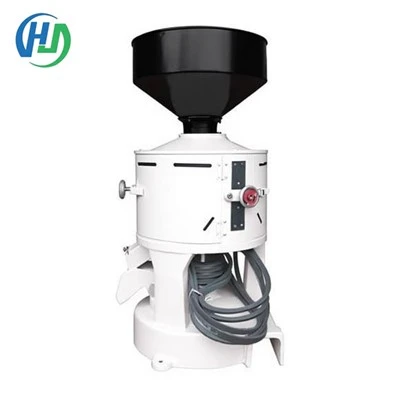
First, let’s talk about the big one most people hear about: energy use. Grain processing is energy-heavy—think drying wet grain after harvest to keep it from spoiling, grinding it into flour, or parboiling rice to boost nutrition. Old equipment? The kind your grandpa might have used on his farm back in the day? It’s a energy hog. A 1980s grain dryer I worked on a few years back guzzled natural gas like it was water, was only 55% efficient at turning fuel into actual grain drying, and would blow leftover hot air straight out the stack without a second thought. Compare that to modern equipment we install now—models with variable-speed motors that slow down when you’re processing a small batch, heat recovery systems that catch the hot exhaust air and reuse it to warm up incoming cold air, and even options that run on solar or biogas made from farm waste. Last year, a mid-sized corn processor I work with swapped three old grinders for new energy-efficient ones, and their electric bills dropped 28% in six months. That’s not just better for the planet—that’s real savings for them, which is why so many customers are asking for this stuff now.
But energy isn’t the only environmental impact. Let’s move to air emissions, specifically dust. Grain dust isn’t just a nuisance—it’s a fire hazard (I’ve seen a small conveyor spark that set off a dust cloud, and let’s just say that’s a panic you never forget) and it’s bad for local air quality, too. Old conveyors and processing lines used to leak dust left and right; there was no real system to capture it. That dust doesn’t just get in the air—it’s also a waste product, which means you’re throwing away profit too. New equipment, though? We design it with enclosed systems, point-source dust collectors that sit right where dust is created (like at the intake where grain pours into a hopper, or the top of a grinder), and even filters that catch 99% of tiny dust particles so they don’t blow into the neighborhood. One wheat farm we worked with had a neighbor complaint about dust every harvest for 10 years; after we installed our enclosed processing line, they haven’t had a single one. Also, the dust we do catch? We feed it back into the grain supply—no wasted product, no extra trash. That’s a win-win.
Next up, water use. Grain processing needs water, especially for things like washing corn before milling, or parboiling rice. The bad old days meant processing plants would pump water straight from a river or well, use it once, and dump it back—often warm, maybe with a little leftover grain sediment in it, which can mess up fish and plants in local waterways. Some plants even wasted so much water they’d use 10 gallons for every 1 gallon of actual processed grain. Modern equipment changes that with closed-loop water systems. These systems recirculate the same water over and over, only adding a tiny bit to replace what evaporates or sticks to the grain. We also add filters that catch all the grain sediment, so the water that does get drained is as clean as when it was pumped in. A rice processor in Arkansas swapped their old open water system for our closed-loop setup, and they now use 70% less water. They even told me they’ve saved enough to install a small pond on-site to collect rainwater for back up—no more stress during dry spells. I can’t tell you how many customers have said water scarcity is their biggest headache, so this kind of equipment isn’t just eco-friendly—it’s essential for staying in business.
Wait, let’s not forget waste. What happens to the stuff that’s left over after processing? Bran, germ, chaff, broken grain kernels, the dust I mentioned earlier. Old equipment would process all this into big piles that rot, releasing methane (a way worse greenhouse gas than CO2) and take up space in landfills. But modern equipment—we set it up to separate these byproducts right at the processing line. Bran and germ, for example, are super valuable for animal feed, or even to make things like oat milk or wheat germ oil. Chaff can be burned as fuel for the plant’s dryer, cutting down on the need for gas. Broken grain can be turned into ethanol, or even used as seed for next year’s crop. Last year, a customer who processes barley told me that before our equipment, they were paying $1,200 a month to haul away byproducts. Now they sell 90% of those byproducts to local livestock farms for $800 a month. That’s not zero waste, but it’s close—and it’s turning trash into cash, which is my favorite kind of win.
Now, I need to be real with you—this isn’t all perfect. There are still impacts, and it’s not just about buying new gear. For example, even efficient equipment needs maintenance. If you skip changing a belt or cleaning a filter, that new energy savings? Gone in a month. Also, the manufacturing of this equipment does have its own footprint—steel, wiring, motors, all that stuff requires energy to make. That’s why we try to source parts from local suppliers whenever possible, and design equipment to last 20+ years, so you don’t have to replace it every 5. We also help customers with retrofitting old equipment instead of just buying new. I’ve retrofitted a 25-year-old grain dryer with heat recovery systems for half the cost of a new one, and it now runs 40% more efficiently. That’s a middle ground that a lot of small to mid-sized processors don’t talk about enough.
Another thing: some people worry about the chemicals used in equipment, especially the lubricants for moving parts or the paints on metal. We’ve been switching to biodegradable lubricants that break down if they leak, and water-based paints instead of solvent-based ones that release VOCs (volatile organic compounds, which are bad for air quality). It’s a small change, but over time, it adds up. We also make sure to label all maintenance parts clearly, so customers know how to dispose of them properly without messing up the environment.
I’ve talked to so many customers who think processing grain has to be a dirty business, that you either make good grain or good for the planet—but not both. But that’s not true anymore. A lot of the environmental impacts of grain processing equipment are just from old, outdated gear that was built before people cared as much about the planet, or before we had the tech to make stuff smarter and cleaner.
The truth is, when you pick the right equipment, you’re not just reducing your footprint—you’re saving money, keeping neighbors happy, and making your business more resilient long-term. Whether you’re a small family farm processing 50,000 bushels of corn a year or a big mill handling millions, there’s a solution that fits. I’ve seen it work again and again.

If you’re tired of dealing with sky-high energy bills, neighbor complaints about dust, or waste hauling costs that eat into your profits, let’s talk. I don’t do one-size-fits-all—we’ll walk through your operation, see where the gaps are, and figure out what kind of equipment or retrofits will work best for you. It doesn’t have to be complicated, and it doesn’t have to break the bank. Let’s make processing grain better for everyone.
Grain Processing Line References:
- Food and Agriculture Organization of the United Nations. (2021). Grain Processing and Environmental Sustainability.
- U.S. Environmental Protection Agency. (2022). Energy Efficiency in Agricultural Processing Equipment.
- International Journal of Agricultural and Biological Engineering. (2023). Environmental Impacts of Modern vs. Conventional Grain Processing Technologies.
Henan Huinong Machinery Co., Ltd.
Henan Huinong Machinery Co., Ltd. is one of the most professional grain processing equipment manufacturers and suppliers in China, featured by quality products and low price. Please rest assured to buy discount grain processing equipment from our factory. We also accept customized orders.
Address: No. 6, Northeast Corner of the Intersection of Renmin Road and Zhujiang Road, New District, Huaxian County, Henan Province
E-mail: frank.tang@huinongmachinery.com
WebSite: https://www.huinongmachinery.com/
