Dotting machines are essential equipment in various industries, from electronics manufacturing to textile production. They are used to apply dots of adhesive, ink, or other substances onto a substrate with precision and consistency. One of the most critical aspects of a dotting machine is its dotting resolution, which determines the size, shape, and accuracy of the dots it can produce. In this blog post, as a dotting machine supplier, I will delve into what dotting resolution is, why it matters, and how it can impact your manufacturing processes. Dotting Machine

Understanding Dotting Resolution
Dotting resolution refers to the smallest distinguishable dot size that a dotting machine can produce. It is typically measured in micrometers (μm) and represents the machine’s ability to create fine and precise dots. A higher dotting resolution means the machine can produce smaller and more accurate dots, which is crucial for applications that require high precision, such as microelectronics assembly or high – end printing.
The dotting resolution is influenced by several factors, including the design of the dispensing mechanism, the type of fluid being dispensed, and the control system of the machine. For example, a machine with a high – precision syringe pump and a well – calibrated control system can achieve a higher dotting resolution compared to a machine with a less sophisticated dispensing mechanism.
Dispensing Mechanism
The dispensing mechanism is the heart of a dotting machine. There are several types of dispensing mechanisms, such as needle dispensing, jet dispensing, and valve dispensing. Each type has its own characteristics and limitations when it comes to dotting resolution.
- Needle Dispensing: This is a common and straightforward dispensing method. A needle is dipped into the fluid, and the fluid is then dispensed onto the substrate by applying pressure. The dot size in needle dispensing is mainly determined by the needle diameter and the pressure applied. However, the minimum dot size is limited by the needle’s physical dimensions, and it can be challenging to achieve very high dotting resolutions with needle dispensing.
- Jet Dispensing: Jet dispensing is a non – contact dispensing method that uses a high – speed jet of fluid to create dots. This method can achieve very high dotting resolutions because it does not rely on physical contact with the substrate. Jet dispensers can produce dots as small as a few micrometers, making them suitable for applications that require extremely fine dots, such as semiconductor packaging.
- Valve Dispensing: Valve dispensing uses a valve to control the flow of fluid. The valve can be opened and closed rapidly to dispense precise amounts of fluid. Valve dispensers offer good control over dot size and can achieve relatively high dotting resolutions, especially when combined with a high – precision control system.
Fluid Properties
The properties of the fluid being dispensed also play a significant role in determining the dotting resolution. Viscosity, surface tension, and curing time are some of the critical fluid properties that can affect dot formation.
- Viscosity: Viscous fluids are more difficult to dispense precisely than low – viscosity fluids. High – viscosity fluids may require higher pressure to flow through the dispensing nozzle, which can make it harder to control the dot size. On the other hand, low – viscosity fluids may spread more easily on the substrate, which can also affect the dot shape and size.
- Surface Tension: Surface tension determines how the fluid behaves on the substrate. Fluids with high surface tension tend to form more spherical dots, while fluids with low surface tension may spread out more. Understanding the surface tension of the fluid is essential for achieving the desired dot shape and size.
- Curing Time: If the fluid cures quickly, it can set before it spreads on the substrate, which can help maintain the dot shape. However, if the curing time is too short, it may be difficult to control the dotting process. On the other hand, fluids with long curing times may require additional measures to prevent spreading and ensure accurate dot placement.
Control System
The control system of a dotting machine is responsible for regulating the dispensing process, including the dispensing time, pressure, and movement of the dispensing head. A high – end control system can ensure precise and consistent dotting, thereby improving the dotting resolution.
- Dispensing Time: Precise control of the dispensing time is crucial for achieving the desired dot size. A control system that can accurately control the on – off time of the dispensing mechanism can produce dots of consistent size.
- Pressure Control: The pressure applied to the fluid during dispensing affects the dot size and shape. A variable pressure control system can adjust the pressure according to the fluid properties and the required dot size, ensuring optimal dotting performance.
- Motion Control: The movement of the dispensing head also affects the dotting resolution. A control system with high – precision motion control can accurately position the dispensing head, ensuring that the dots are placed exactly where they are needed.
Importance of Dotting Resolution in Manufacturing
The dotting resolution of a dotting machine has a significant impact on the quality and performance of the final product in various manufacturing industries.
Electronics Manufacturing
In electronics manufacturing, dotting machines are used to apply adhesives, solder pastes, and other materials onto printed circuit boards (PCBs) and electronic components. A high dotting resolution is essential for several reasons:
- Miniaturization: As electronic devices become smaller and more complex, the components on PCBs are getting closer together. A high – resolution dotting machine can apply precise dots of adhesive or solder paste to tiny components, ensuring proper bonding and electrical connections without causing short – circuits.
- Reliability: Precise dotting helps improve the reliability of electronic products. For example, accurate application of underfill materials can enhance the mechanical stability of flip – chip components, reducing the risk of failure due to thermal cycling and mechanical stress.
Textile and Apparel Industry
In the textile and apparel industry, dotting machines are used for various applications, such as applying decorative dots, bonding fabrics, and printing patterns. A high dotting resolution can offer the following benefits:
- Aesthetics: High – resolution dotting allows for the creation of intricate and detailed patterns, enhancing the visual appeal of textile products. This is particularly important for high – end fashion items and luxury goods.
- Quality and Durability: Precise dotting of adhesives can ensure strong and durable bonding between fabrics, improving the overall quality and longevity of the textile products.
Medical Device Manufacturing
In medical device manufacturing, dotting machines are used to apply adhesives, sealants, and coatings to medical devices. A high dotting resolution is critical for ensuring the safety and effectiveness of these devices:
- Precision and Consistency: Medical devices often require precise application of materials to ensure proper functionality. A high – resolution dotting machine can produce consistent dots, reducing the risk of product defects and ensuring the reliability of medical devices.
- Sterility: In some cases, the dotting process needs to be carried out in a sterile environment. A high – resolution dotting machine with a clean and precise dispensing mechanism can help maintain the sterility of the medical devices during the manufacturing process.
How Our Dotting Machines Ensure High Dotting Resolution
As a dotting machine supplier, we understand the importance of dotting resolution in various industries. Our dotting machines are designed and manufactured to offer high – quality dotting solutions with excellent dotting resolutions.
Advanced Dispensing Technologies
We use the latest dispensing technologies, such as jet dispensing and precision valve dispensing, in our dotting machines. These technologies allow us to achieve very high dotting resolutions, even for complex and challenging applications. For example, our jet dispensing machines can produce dots as small as 20 – 30 micrometers, which is suitable for microelectronics and other high – precision applications.
High – Precision Control Systems
Our dotting machines are equipped with high – precision control systems that offer accurate control over the dispensing process. The control systems can precisely regulate the dispensing time, pressure, and movement of the dispensing head, ensuring consistent and precise dotting. We also offer customization options for the control systems to meet the specific requirements of different customers.
Fluid Management Expertise
We have extensive experience in fluid management and understand the impact of fluid properties on dotting resolution. Our technical team can work with customers to select the most suitable dispensing method and optimize the fluid properties for the best dotting performance. We also offer training and support to help customers achieve the highest dotting resolution with our machines.
Quality Assurance
We have a strict quality assurance process in place to ensure that all our dotting machines meet the highest standards of performance and reliability. Each machine undergoes rigorous testing and calibration before leaving our factory to ensure that it can achieve the promised dotting resolution.
Conclusion
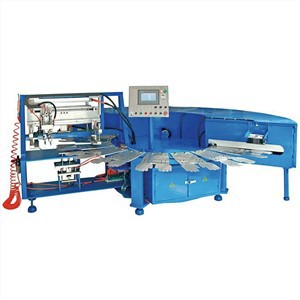
Dotting resolution is a critical factor in the performance and quality of dotting machines. It determines the size, shape, and accuracy of the dots that can be produced, which has a significant impact on the final product in various industries. As a dotting machine supplier, we are committed to providing our customers with dotting machines that offer high dotting resolutions, advanced dispensing technologies, and reliable performance.
Socks Setting Machine If you are looking for a dotting machine with high dotting resolution for your manufacturing processes, we would be glad to have a discussion with you. Our team of experts can help you select the most suitable machine for your specific requirements and provide you with comprehensive technical support. Contact us to start a procurement discussion and take your manufacturing processes to the next level.
References
- "Principles of Fluid Dispensing in Manufacturing Processes" by John Doe, 2020
- "High – Precision Dispensing Technologies for Electronics Assembly" by Jane Smith, 2019
- "Textile Manufacturing: Technologies and Applications" by Robert Johnson, 2018
Zhejiang Rongyifu Machinery Tech. Co., Ltd.
Zhejiang Rongyifu Machinery Tech. Co., Ltd. is well-known as one of the leading dotting machine manufacturers and suppliers in China. If you’re going to wholesale custom made dotting machine at competitive price, welcome to get more information from our factory.
Address: No.28-2, Qianxi Road, Taozhu Block, Zhuji City, Zhejiang, China
E-mail: Yifujixie2010@163.com
WebSite: https://www.ryfmachinery.com/
