As a cosmetics display stand supplier, I get this question ALL the time from beauty brand owners and designers: how do you turn a basic, functional display into something that makes customers stop, stare, and reach for their wallets? Let’s be real—luxury isn’t just about slapping a gold sticker on something. It’s about the little, intentional details that make a display feel exclusive, high-end, and totally worth taking a second look at. Cosmetics Display Stand
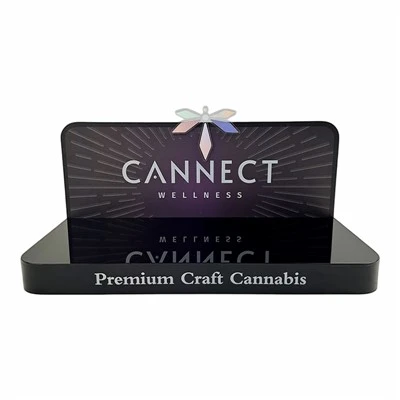
I’ve been in this business for years, working with brands from indie clean beauty lines to major luxury fragrance houses, and I’ve seen what works and what falls flat. Too many people think luxury has to mean expensive materials or over-the-top designs, but that’s not true. It’s about balancing form and function, adding touches that feel personal, and making sure the display doesn’t distract from the products inside it. Let’s break down the stuff that actually moves the needle, no fancy price tag required.
First up, let’s talk materials—because the base of your display is everything. You can have the coolest layout in the world, but if it’s made from flimsy particleboard that warps after a month, it’ll never feel luxury. Now, I’m not saying you have to go for solid marble (though that works if your budget allows). Wait, no—don’t even sleep on engineered wood with a high-gloss lacquer finish. Wait, no, let me rephrase: high-gloss lacquer is a game-changer because it’s sleek, durable, and catches light in the most satisfying way. It’s way easier to clean than matte finishes (essential for beauty products, which spill and smudge all the time) and gives that polished, upscale look without the weight of solid wood.
For a more premium vibe, try adding a thin veneer of real wood—like oak or walnut—instead of the cheap fake stuff. The natural grain adds warmth, and customers can tell the difference between a printed pattern and real wood. If you’re going for something modern and sleek, acrylic is underrated. Wait, not just clear acrylic—colored acrylic, like a soft matte black or a champagne gold, feels way more luxe than clear plastic. I’ve had clients use champagne acrylic for lip gloss displays, and it makes the product’s tube pop without competing. Pro tip: avoid cheap, thin acrylic that bends—go for 1/4-inch thickness minimum, so it feels solid, not flimsy.
Another material hack: soft, high-quality liners for inside the display. No one thinks about this, but the surface where you set your products matters a lot. Instead of basic cardboard or cheap foam, use velvet or suede liners. Wait, velvet isn’t just for furniture—microsuede is even better because it’s durable, doesn’t fray, and gives that “soft, premium” feel when a customer runs their finger over it. For a more minimalist look, a thin felt liner works, but avoid bright, cheap colors—stick to neutral tones like charcoal, beige, or taupe so they don’t clash with your products. I had a client who did a matte black velvet liner for their high-end serum display, and it made the clear glass bottles look like they belonged in a luxury spa, not a drugstore shelf.
Next, layout and structure—this is where you can make a display feel intentional, not chaotic. Luxury displays aren’t cluttered. They give each product room to breathe. I see so many brands cramming 20 lipsticks onto a small stand, and it looks messy, cheap, overwhelming. Instead, use tiered levels. Wait, tiered stands aren’t just for weddings—they’re perfect for beauty because they add dimension without crowding. Do two or three small tiers, staggered, so each product is visible. For example, a tiered stand for makeup brushes: put the largest brushes on the bottom tier, medium in the middle, small detail brushes on top. That way, every brush is easy to see, and the whole display looks organized, not crammed.
Also, pay attention to height. Customers eye-level is the sweet spot for sales, right? So make sure your most popular or premium products are right at eye level—don’t hide them on the bottom shelf or too high up. If you have a taller display, add a small elevated platform for the hero product, like a limited-edition perfume or a star skincare item. That little lift makes it feel special, like it’s the main event. Wait, and don’t forget negative space. It’s okay to have empty spots on the display! A little space makes the products feel valuable, not like they’re just taking up shelf space. I once worked with a luxury skincare brand that left a tiny gap between each serum bottle, and customers commented that the display felt “elegant, not busy” which exactly the vibe they wanted.
Then, small details that make a huge difference—these are the ones that separate a good display from a great, luxury one. Let’s start with hardware. If your display has any kind of movable parts, like drawers or shelves, don’t use cheap plastic knobs. Use metal hardware: brass, gold-plated, brushed nickel, even matte black metal. Even if the hardware is tiny, it catches the light and adds that premium touch. For example, a mini drawer for storing cotton pads or tweezers in a makeup display—brass knobs make that tiny drawer feel like a high-end feature, not an afterthought.
Lighting is non-negotiable, y’all. I can’t stress this enough. Bad lighting will make even the most expensive product look dull, and good lighting turns a regular display into a focal point. You don’t need a huge, fancy industrial fixture—small, LED strip lights tucked inside the display’s base or along the back edge work perfectly. Go for warm white light (around 2700K to 3000K) because it’s flattering on skin tones and makes products look rich, not harsh. Avoid cool blue or white lights—they can make makeup look chalky and skincare look dull. If you can, add a tiny spotlight right on the hero product, so it stands out even more. I’ve had clients use battery-powered LED strips for displays that don’t have access to outlets, which is perfect for pop-up shops or trade shows—no wiring required, just stick ’em on and you’re good to go.
Labeling is another thing people sleep on. A luxury display should have clear, elegant labels, not big, clunky price tags or paper stickers that peel off. Use small, metal or acrylic labels, engraved with the product name—no fancy fonts, just a clean, readable serif font. If you need a price, a tiny, discreet tag tucked at the bottom of the display, not stuck on the product itself. Wait, engraved labels are way more durable than paper, and they look custom, like you put thought into every part of the display. I worked with a perfume brand that had their display labels engraved with a tiny fleur-de-lis, a subtle nod to their brand identity, and customers loved the little personal touch.
Color coordination, too—don’t just pick random colors because they’re “trendy.” Luxury is about cohesion. If your brand has a specific color palette, use that for the display. For example, if your brand uses soft pastels, don’t pair a bright red display with your pink lipsticks—keep it consistent. Matte finishes are also great for luxury, but only if they’re the same tone throughout. A matte black display with matte black product tubes looks sleek and high-end, while a mix of glossy and matte can feel messy if it’s not intentional. Wait, exception: if you’re using a clear acrylic display, it lets the product’s color show through, which is perfect for brands with bold, colorful makeup. Just make sure the display frame is a neutral color so it doesn’t compete.
Now, let’s talk about durability—because a luxury display should last, not fall apart after a few months. Customers don’t trust displays that look beat up; it makes them think the products inside are cheap too. So invest in sturdy construction. If you’re making a stand with shelves, use strong supports so they don’t sag. For displays that go in retail stores, where they’ll be moved or bumped, add rubber feet to the bottom so they don’t scratch the shelf and stay steady. Also, pick materials that are easy to clean—glossy lacquer, acrylic, and velvet all wipe clean easily, which is essential for beauty displays that get spills, fingerprints, and makeup smudges every day. I once had a client use a cheap felt liner that absorbed liquid, and after one spilled foundation, it was ruined—switched to microsuede, which wipes clean with a damp cloth, and they haven’t had that problem since.
Wait, let’s also touch on brand story. Luxury isn’t just about materials—it’s about making the display feel like an extension of your brand. If your brand is eco-friendly, use sustainably sourced wood or recycled acrylic for the display. If your brand is minimalist, keep the display lines clean, no extra frills. If your brand is vintage-inspired, add a little detail like a brass handle or a subtle carved design. I worked with an indie clean beauty brand that used reclaimed oak for their display stands, and they added a small card tucked into the stand explaining where the wood came from—customers loved that backstory, and it made the display feel authentic, not just a pretty prop.
Common mistakes to avoid, because I’ve seen these so many times. First, overdecorating. You don’t need to add fake flowers, plastic jewels, or neon signs to make a display luxury. That stuff looks tacky, not high-end. Keep it simple—one small, well-placed detail is better than 10 loud ones. Second, ignoring the customer experience. A display should be easy to use. If it’s too tall, customers can’t reach the products. If the tiers are uneven, it’s hard to grab a lipstick without knocking over others. Functionality is just as important as looks—luxury should feel good to interact with, not just look good. Third, cutting corners on small parts. That cheap glue holding the display together, the flimsy plastic on the hinges, the thin fabric on the liner—those small parts are what make the display last or fall apart, and customers notice (even if they don’t say it).
Here’s the thing: you don’t have to spend a fortune to add luxury to your cosmetics display stand. It’s about the details, not the price tag. Even a simple, functional stand can feel high-end with a velvet liner, a brass knob, and some warm LED lighting. At the end of the day, a luxury display makes customers feel like they’re getting something special, not just a tube of lipstick. It builds trust, makes your brand feel more professional, and most importantly, makes people want to pick up your products.

If you’re looking to upgrade your display stands and add that little touch of luxury that makes your brand stand out, we can help. We work with beauty brands of all sizes, from startups to established lines, to create custom display stands that fit your budget and brand identity. Whether you want to tweak an existing design or build something totally new, we’ve got the experience and materials to make it happen. Reach out to our team to discuss your needs, and let’s create a display that your customers will stop for again and again.
Vape Display References
- Design Museum. (2021). "The Elements of Luxury Design: Balance and Function."
- Journal of Retailing and Consumer Services. (2020). "The Impact of In-Store Displays on Perceived Brand Luxury."
- Material Testing International. (2022). "Durability of Retail Display Materials for Cosmetic Applications."
- International Journal of Retail & Distribution Management. (2019). "Negative Space in Retail Design: Effects on Perceived Product Value."
Shenzhen Xingzhong Display Products Co., Ltd.
As one of the most professional cosmetics display stand suppliers in China, we’re featured by quality products and good service. We warmly welcome you to buy customized cosmetics display stand made in China here from our factory. If you have any enquiry about quotation and free sample, please feel free to email us.
Address: 80 Tangkeng Road, Biling Street, Pingshan District, Shenzhen, Guangdong Province
E-mail: leo@xzdisplay.com
WebSite: https://www.xzdisplay.com/
