Hey there, fellow agriculture enthusiasts! I’m a supplier in the poly bag agriculture game, and let me tell you, dealing with pests is one of the biggest headaches we face. But don’t worry, I’ve got some tips and tricks up my sleeve that can help you keep those pesky critters at bay. Poly Bag Agriculture
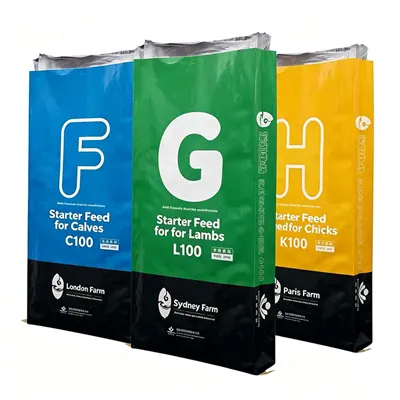
First off, let’s talk about why pests are such a big deal in poly bag agriculture. Poly bags provide a cozy little home for plants, but they also create a perfect environment for pests to thrive. The warm, moist conditions inside the bags can attract all sorts of insects, mites, and fungi. And once these pests get in, they can quickly spread and cause serious damage to your crops.
So, how do you control pests in poly bag agriculture? Well, the first step is to prevention. By taking a few simple steps, you can reduce the risk of pests infesting your poly bags in the first place.
Prevention is Key
- Choose the Right Location: When setting up your poly bag farm, make sure to choose a location that is away from sources of pests, such as wild plants, animal habitats, or other farms. Also, avoid areas that are prone to flooding or waterlogging, as these conditions can create a breeding ground for pests.
- Use Clean Materials: Before you start filling your poly bags with soil and plants, make sure to clean all the materials thoroughly. This includes the poly bags themselves, as well as any tools or equipment you’ll be using. You can use a mild disinfectant to clean the materials and kill any potential pests or pathogens.
- Select Healthy Plants: When purchasing plants for your poly bag farm, make sure to choose healthy specimens. Avoid plants that show signs of pests or diseases, such as yellowing leaves, spots, or wilting. You can also ask the nursery or supplier for recommendations on pest-resistant plant varieties.
- Practice Good Hygiene: Keeping your poly bag farm clean and tidy is essential for preventing pest infestations. Remove any dead or decaying plant material from the bags regularly, as this can attract pests and provide a breeding ground for fungi. Also, make sure to wash your hands and tools thoroughly before and after handling the plants.
Natural Pest Control Methods
If you do end up with a pest problem in your poly bag farm, don’t panic. There are several natural pest control methods that you can try before resorting to chemical pesticides.
- Beneficial Insects: Introducing beneficial insects, such as ladybugs, lacewings, and parasitic wasps, to your poly bag farm can help control pest populations. These insects feed on pests such as aphids, mites, and whiteflies, and can help keep their numbers in check. You can purchase beneficial insects online or from a local nursery.
- Neem Oil: Neem oil is a natural insecticide and fungicide that is derived from the neem tree. It can be used to control a wide range of pests, including aphids, mites, whiteflies, and fungal diseases. To use neem oil, mix it with water according to the instructions on the label and spray it on the plants. Make sure to cover the entire plant, including the undersides of the leaves.
- Garlic Spray: Garlic spray is another natural pest control method that can be effective against a variety of pests. To make garlic spray, crush a few cloves of garlic and mix them with water. Let the mixture sit overnight, then strain it and add a few drops of dish soap. Spray the mixture on the plants, focusing on the areas where pests are most likely to be found.
- Companion Planting: Companion planting is the practice of planting different types of plants together to benefit each other. Some plants, such as marigolds, nasturtiums, and basil, have natural pest-repellent properties and can help protect your poly bag crops from pests. You can plant these companion plants around the edges of your poly bags or intersperse them among your main crops.
Chemical Pest Control Methods
If natural pest control methods aren’t working, you may need to resort to chemical pesticides. However, it’s important to use pesticides carefully and only when necessary, as they can be harmful to the environment and human health.
- Choose the Right Pesticide: When selecting a pesticide, make sure to choose one that is specifically formulated for the type of pest you’re dealing with. Read the label carefully and follow the instructions for use. Also, make sure to choose a pesticide that is safe to use on the plants you’re growing.
- Apply the Pesticide Correctly: When applying pesticides, make sure to wear protective clothing, such as gloves, goggles, and a mask. Follow the instructions on the label for the correct dosage and application method. Also, make sure to apply the pesticide at the right time of day and under the right weather conditions.
- Rotate Pesticides: To prevent pests from developing resistance to pesticides, it’s important to rotate the types of pesticides you use. This means using different pesticides with different active ingredients each time you apply them.
Monitoring and Early Detection
One of the most important things you can do to control pests in poly bag agriculture is to monitor your crops regularly for signs of pests or diseases. By detecting problems early, you can take action before they become too serious.
- Inspect Your Plants: Make it a habit to inspect your poly bag plants regularly for signs of pests or diseases. Look for things like yellowing leaves, spots, holes, or wilting. Also, check the undersides of the leaves for pests such as aphids, mites, and whiteflies.
- Use Traps: You can use traps to monitor pest populations in your poly bag farm. Sticky traps, for example, can be used to catch flying insects such as aphids, whiteflies, and thrips. Pheromone traps can be used to attract and trap male insects, which can help reduce the overall pest population.
- Keep Records: Keeping records of your pest control activities can help you track the effectiveness of your methods and make adjustments as needed. Record the date, type of pest, and the method of control you used. You can also note any changes in the pest population over time.
Conclusion
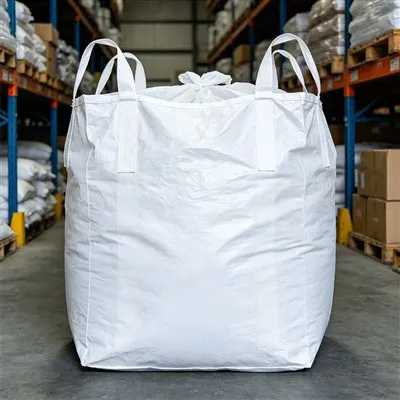
Controlling pests in poly bag agriculture is a challenge, but it’s not impossible. By following the tips and tricks outlined in this blog post, you can reduce the risk of pest infestations and keep your poly bag crops healthy and productive. Remember, prevention is key, so make sure to take steps to prevent pests from getting into your poly bags in the first place. And if you do end up with a pest problem, don’t panic. There are several natural and chemical pest control methods that you can try.
Flood Control Sandbags If you’re interested in learning more about poly bag agriculture or if you’re looking for a reliable supplier of poly bags and other agricultural products, feel free to reach out to me. I’d be happy to answer any questions you may have and help you get started on your poly bag farming journey.
References
- Smith, J. (2020). Poly Bag Agriculture: A Comprehensive Guide. Agricultural Press.
- Johnson, A. (2019). Natural Pest Control Methods for Poly Bag Crops. Organic Farming Magazine.
- Brown, C. (2018). Chemical Pesticides in Poly Bag Agriculture: Use and Misuse. Environmental Science Journal.
Liaoning Xunlian Packaging Products Co., Ltd.
Liaoning Xunlian Packaging Products Co., Ltd. is one of the most professional poly bag agriculture manufacturers and suppliers in China, featured by quality products and good service. Welcome to wholesale CE approved poly bag agriculture made in China here and get quotation from our factory. Customized orders are welcome.
Address: Chaoyang Industrial Park, Kangping, Shenyang, Liaoning, China.
E-mail: info@xunlianpack.com
WebSite: https://www.xunlianpack.com/
