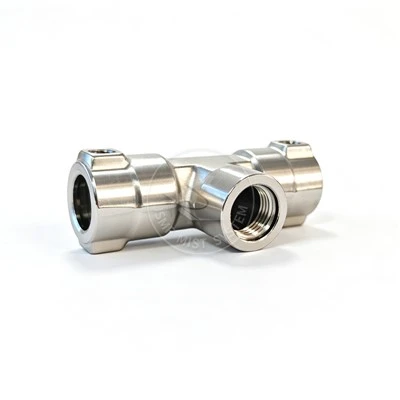
As a seasoned provider of welded connection fittings, I’ve often been asked a pivotal question: Can welded connection fittings be used in a water treatment system? It’s a concern that holds significant weight in the industry, and in this blog, I’ll delve into the details to provide a comprehensive answer. Welded Connection Fittings
Advantages of Using Welded Connection Fittings in Water Treatment Systems
One of the primary benefits of welded connection fittings in water treatment systems is their superior strength and durability. Water treatment processes often involve high – pressure environments, especially in systems like reverse osmosis and ultrafiltration. Welded joints can withstand these pressures better than many other types of connections, such as threaded or flanged connections. The continuous and solid bond created by welding distributes stress evenly across the joint, reducing the risk of leaks or failures under high – pressure conditions.
In addition to strength, welded connection fittings offer excellent corrosion resistance. In water treatment, the water can contain various chemicals, minerals, and contaminants that may corrode pipes and fittings over time. By using high – quality materials for welding, such as stainless steel or other corrosion – resistant alloys, we can ensure that the fittings remain intact and functional for an extended period. This not only reduces maintenance costs but also prevents contamination of the treated water due to the release of corroded materials into the system.
Another advantage of welded fittings is their ability to provide a hermetic seal. In water treatment, preventing leaks is crucial, especially when dealing with chemicals or treated water that should not be exposed to the environment. A welded joint eliminates the possibility of leakage through gaps, which can occur in other types of connections. This is particularly important in systems where water purity is of the utmost importance, such as in the production of drinking water or in pharmaceutical and semiconductor manufacturing processes that require ultra – pure water.
Compatibility with Different Water Treatment Processes
Welded connection fittings are highly compatible with a wide range of water treatment processes. In sedimentation and filtration processes, where large – scale pipes are used to transport water, welded fittings can be used to connect different sections of the pipeline. Their strength ensures that the pipes can withstand the weight of the water and any sediment that may accumulate over time.
In chemical dosing systems, where precise control of chemical injection is required, welded fittings provide a reliable connection for pipes carrying chemicals. The hermetic seal of welded joints prevents the leakage of chemicals, which is essential for both safety and the accuracy of the dosing process.
For disinfection processes, which often involve the use of chlorine, ozone, or ultraviolet light, welded fittings made from corrosion – resistant materials can withstand the harsh chemical and environmental conditions. These fittings ensure that the disinfection agents are properly distributed throughout the water treatment system, effectively killing bacteria and other pathogens.
Challenges and Considerations
While welded connection fittings offer numerous advantages, there are also some challenges and considerations to keep in mind. One of the main challenges is the installation process. Welding requires skilled labor, and improper welding can lead to weak joints, porosity, or cracking. This can compromise the integrity of the entire water treatment system. To address this issue, it’s essential to work with experienced welders who are certified and trained in welding techniques suitable for water treatment applications.
Another consideration is the cost. The initial cost of welded connection fittings, including the cost of materials, welding equipment, and labor, can be higher than that of other types of fittings. However, when considering the long – term benefits, such as reduced maintenance and replacement costs, the overall cost – effectiveness of welded fittings becomes apparent.
In some cases, the design of the water treatment system may require flexibility. Welded connections are permanent, which means that once the fittings are welded, it can be difficult to make changes or modifications to the system. This requires careful planning and design of the water treatment system to ensure that the use of welded fittings is appropriate and that future expansion or modification can be accommodated.
Quality Assurance and Testing
To ensure the reliability of welded connection fittings in water treatment systems, quality assurance and testing are essential. Before installation, the materials used for the fittings should be inspected for quality and compliance with relevant standards. For example, stainless steel fittings should meet the requirements of ASTM (American Society for Testing and Materials) standards.
During the welding process, non – destructive testing methods, such as ultrasonic testing or X – ray inspection, can be used to detect any internal defects in the welds. These tests can identify issues such as porosity, lack of fusion, or cracks that may not be visible on the surface.
After installation, pressure testing is typically performed to verify the integrity of the welded joints. The system is pressurized to a specified level, and the joints are inspected for leaks. This testing ensures that the welded connection fittings can withstand the operating pressures of the water treatment system.
Conclusion
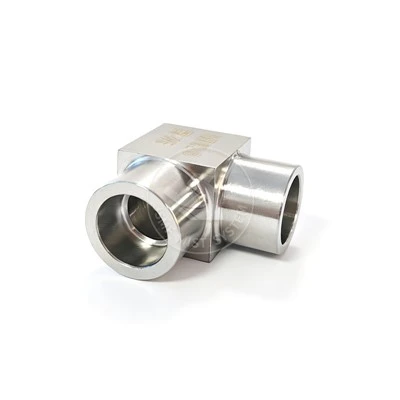
In conclusion, welded connection fittings can be effectively used in water treatment systems. Their strength, durability, corrosion resistance, and ability to provide a hermetic seal make them an ideal choice for many water treatment applications. While there are challenges and considerations, such as the installation process, cost, and design flexibility, these can be overcome with proper planning, skilled labor, and quality assurance measures.
Mist Generator If you are in the process of designing or upgrading a water treatment system and are considering the use of welded connection fittings, I encourage you to reach out to discuss your specific needs. Our team of experts is well – versed in the application of welded connection fittings in water treatment and can provide you with customized solutions. Whether you need fittings for a small – scale water treatment plant or a large – scale industrial system, we have the expertise and products to meet your requirements. Contact us today to start a conversation about how our welded connection fittings can enhance the performance and reliability of your water treatment system.
References
- ASTM International. Standards related to stainless steel materials for piping and fittings.
- Water Treatment Handbook, various editions. Covers different water treatment processes and the requirements for piping and fittings.
- Welding Handbook, published by the American Welding Society. Provides in – depth information on welding techniques and quality control.
Jinsheng Mist Forest-High Pressure Mist System
Jinsheng Mist Forest-High Pressure Mist System is one of the most experienced welded connection fittings manufacturers and suppliers in China, featured by quality products and low price. Please rest assured to wholesale bulk welded connection fittings in stock here and get pricelist from our factory. Customized orders are welcome.
Address: 109 Yonghong Road, Wenjiang District, Chengdu City, Sichuan Province, China
E-mail: 18190767523@163.com
WebSite: https://www.jswsmist.com/
