Hey there! I’m a supplier of sweeteners, and I often get asked about the storage requirements for these sweet treats. So, I thought I’d share some insights based on my experience in the industry. Sweeteners
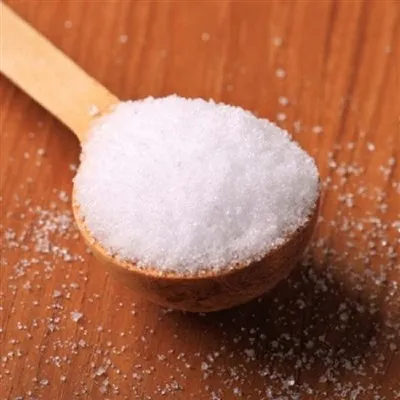
First off, let’s talk about the different types of sweeteners. We’ve got natural sweeteners like honey, maple syrup, and stevia, as well as artificial sweeteners such as aspartame, sucralose, and saccharin. Each type has its own unique storage needs, so it’s important to understand them to keep your sweeteners fresh and safe to use.
Natural Sweeteners
Honey
Honey is a popular natural sweetener that’s been around for centuries. It’s known for its antibacterial properties and long shelf life. However, honey can crystallize over time, which can make it a bit difficult to use. To prevent crystallization, store honey at room temperature in a cool, dry place. Avoid exposing it to direct sunlight or heat, as this can cause the honey to darken and lose its flavor.
If your honey does crystallize, don’t worry! You can easily decrystallize it by placing the jar in a bowl of warm water. Stir the honey gently until it becomes liquid again. Just make sure the water isn’t too hot, as this can damage the honey’s natural enzymes and nutrients.
Maple Syrup
Maple syrup is another delicious natural sweetener that’s made from the sap of maple trees. It’s rich in antioxidants and has a unique flavor that’s perfect for pancakes, waffles, and other breakfast treats. To keep maple syrup fresh, store it in the refrigerator after opening. This will help prevent the growth of bacteria and mold, which can cause the syrup to spoil.
When you’re ready to use the maple syrup, simply take it out of the refrigerator and let it come to room temperature. You can also heat it up in the microwave or on the stovetop for a warm, comforting treat.
Stevia
Stevia is a natural sweetener that’s derived from the leaves of the stevia plant. It’s much sweeter than sugar, so you only need a small amount to sweeten your food and drinks. Stevia is also low in calories and has a number of health benefits, making it a popular choice for people who are trying to cut back on sugar.
To store stevia, keep it in a cool, dry place away from direct sunlight. You can store it in its original container or transfer it to an airtight container for longer shelf life. Stevia doesn’t need to be refrigerated, but it’s a good idea to keep it in a cool place to prevent it from losing its flavor and potency.
Artificial Sweeteners
Aspartame
Aspartame is an artificial sweetener that’s commonly used in diet sodas, sugar-free gum, and other low-calorie products. It’s about 200 times sweeter than sugar, so you only need a small amount to sweeten your food and drinks. Aspartame is generally considered safe to use, but some people may experience side effects such as headaches, dizziness, and nausea.
To store aspartame, keep it in a cool, dry place away from direct sunlight. You can store it in its original container or transfer it to an airtight container for longer shelf life. Aspartame doesn’t need to be refrigerated, but it’s a good idea to keep it in a cool place to prevent it from breaking down and losing its sweetness.
Sucralose
Sucralose is an artificial sweetener that’s made from sugar. It’s about 600 times sweeter than sugar, so you only need a small amount to sweeten your food and drinks. Sucralose is generally considered safe to use, and it doesn’t have any calories or carbohydrates.
To store sucralose, keep it in a cool, dry place away from direct sunlight. You can store it in its original container or transfer it to an airtight container for longer shelf life. Sucralose doesn’t need to be refrigerated, but it’s a good idea to keep it in a cool place to prevent it from breaking down and losing its sweetness.
Saccharin
Saccharin is an artificial sweetener that’s been around for over 100 years. It’s about 300 times sweeter than sugar, so you only need a small amount to sweeten your food and drinks. Saccharin is generally considered safe to use, but some people may experience side effects such as a bitter aftertaste.
To store saccharin, keep it in a cool, dry place away from direct sunlight. You can store it in its original container or transfer it to an airtight container for longer shelf life. Saccharin doesn’t need to be refrigerated, but it’s a good idea to keep it in a cool place to prevent it from breaking down and losing its sweetness.
General Storage Tips
In addition to the specific storage requirements for each type of sweetener, there are some general tips that you can follow to keep your sweeteners fresh and safe to use.
- Keep sweeteners in airtight containers: This will help prevent moisture, air, and bacteria from getting into the sweeteners and causing them to spoil.
- Store sweeteners in a cool, dry place: Avoid storing sweeteners in areas that are exposed to direct sunlight, heat, or humidity, as this can cause them to lose their flavor and potency.
- Check the expiration date: Make sure to check the expiration date on your sweeteners before using them. Using expired sweeteners can be dangerous and may cause health problems.
- Keep sweeteners away from children and pets: Some sweeteners, such as xylitol, can be toxic to dogs and other animals. Make sure to keep sweeteners out of reach of children and pets to prevent accidental ingestion.
Conclusion
So, there you have it! The storage requirements for sweeteners vary depending on the type of sweetener. By following these tips, you can keep your sweeteners fresh and safe to use for longer.
If you’re looking for high-quality sweeteners for your business, I’d love to talk to you. As a sweetener supplier, I offer a wide range of natural and artificial sweeteners at competitive prices. Whether you’re a food manufacturer, a beverage company, or a retailer, I can help you find the right sweeteners for your needs.
Feel free to reach out to me to discuss your sweetener requirements and get a quote. I’m always happy to help!
Citric Acid Anhydrous References
- "Honey Storage and Crystallization." National Honey Board.
- "Maple Syrup Storage." Canadian Maple Syrup Producers.
- "Stevia: Health Benefits and Risks." Mayo Clinic.
- "Aspartame: What You Need to Know." American Cancer Society.
- "Sucralose: Is It Safe?" WebMD.
- "Saccharin: Health Effects and Safety." National Cancer Institute.
Fudijia (Tianjin) Supply Chain Co., Ltd.
With abundant experience, we re one of the most professional sweeteners manufacturers and suppliers in China. We warmly welcome you to wholesale bulk high quality sweeteners made in China here from our factory. For more information, contact us now.
Address: 301-2-1C,Jin Bin Jie Zuo,No.98, Huanghai Road,TEDA, Tianjin, China
E-mail: foodchem@hjlfoods.com
WebSite: https://www.ifoodchem.com/
